Giant List of Ideas for Homeschool Co-op Classes
Are you looking for the ultimate list of inspiring homeschool co-op class ideas? You've come to the right place! This list is to get your creative juices flowing…
Fun Class Ideas
This list is meant to inspire you. I have included rough ideas to help you narrow down what would work for your local homeschool group's interests and needs. You can take this list and create just about any class. For some ideas, I have lesson plans available.
Whether you're interested in teaching a traditional course and following a curriculum or something more unique, you'll find plenty of co-op class ideas here.
Homeschool Co-op Class Ideas For All Ages
This list is grouped by subject and includes all ages from younger kids up to high school students
English Language Arts Co-op Class Ideas

Preschool and Kindergarten:
Storytime and Craft: Read a children's book each week and follow up with a related craft activity to enhance comprehension and creativity.
Alphabet Adventures: Explore a new letter each week through songs, games, and crafts.
Rhyme Time: Introduce children to rhyming words and nursery rhymes, enhancing their phonetic awareness.
Early Elementary:
Creative Writing Club: Provide writing prompts and let young kids' imaginations run wild! Share and discuss each other's stories.
Book Club: Read a chapter book as a group, then discuss plot, characters, and themes.
Grammar Games: Make learning grammar fun with interactive games that reinforce concepts like parts of speech, punctuation, and sentence structure.
Middle School:
Public Speaking and Drama: Develop students' confidence and communication skills with speech exercises and role plays.
Debate Club: Pick a topic each week and have kids prepare arguments for both sides. Great for critical thinking and persuasive writing skills.
Poetry Workshop: Explore different types of poetry and encourage students to create and share their own poems.
High School:
Literature Analysis: Dive deep into classic and contemporary literature, discussing themes, symbolism, historical context, and more.
Journalism: Teach about news writing, opinion pieces, and investigative reporting. They could even create a co-op newsletter!
College Essay Writing: Help students prepare for college applications by teaching them how to write compelling personal essays.
Math Co-op Class Ideas
Preschool and Kindergarten:
Counting Fun: Use games, songs, and crafts to reinforce children's basic counting skills.
Shape Detectives: Explore different shapes in the environment and create art projects using various shapes.
Sorting and Patterns: Create opportunities for children to sort objects by different attributes (color, size, shape) and to recognize and create patterns.
Elementary:
Fun with Fractions: Use visuals and hands-on activities to make learning fractions fun and understandable.
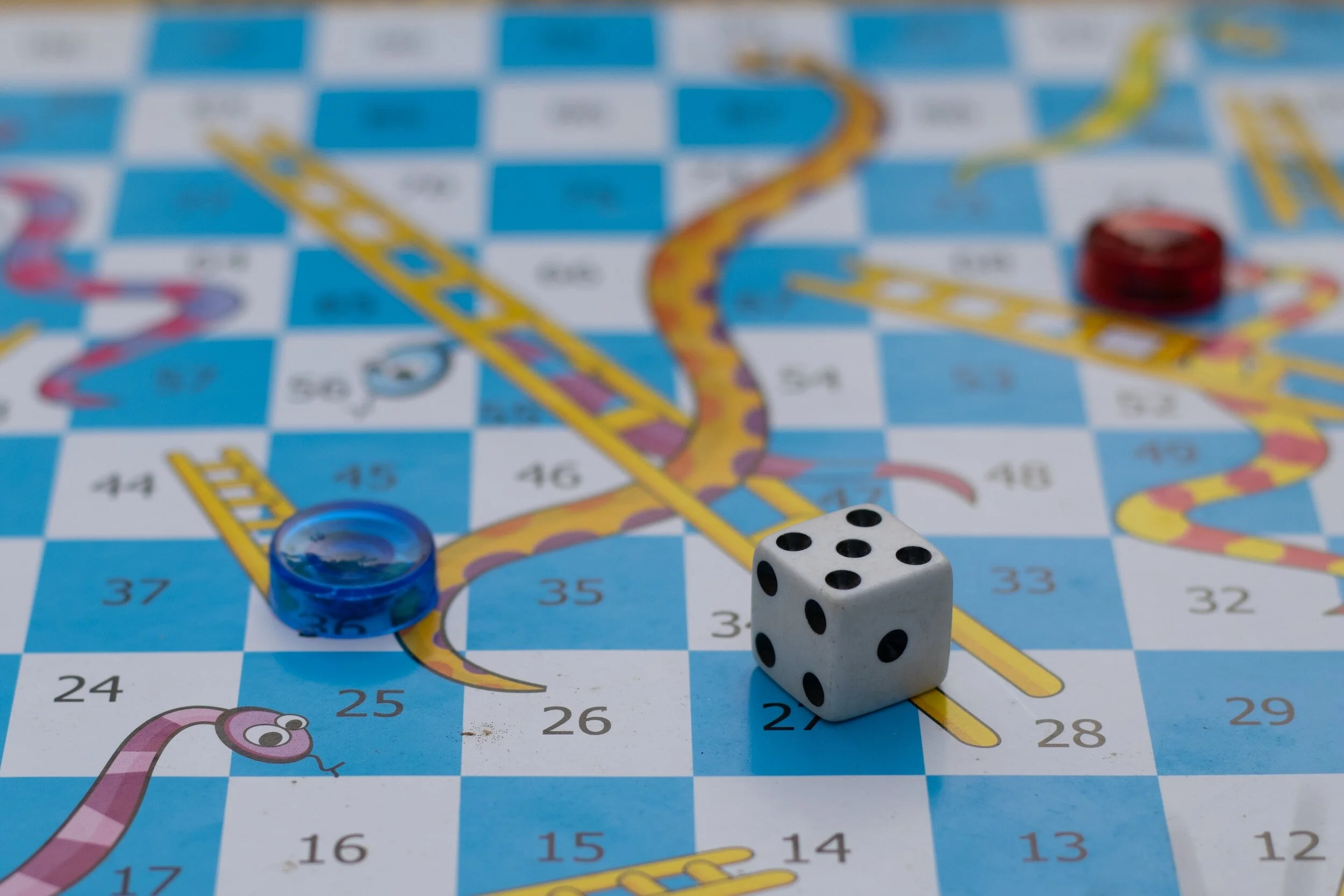
Math Game Classes: Create math classes that use board games and card games to reinforce math skills like addition, subtraction, multiplication, and division.
Money Matters: Introduce money management through real-life scenarios, teaching them about currency, making change, and basic budgeting.
Middle School:
Geometry Art: Introduce geometry concepts by creating art projects that incorporate shapes, symmetry, and measurements.
Math Escape Room: Create an escape room challenge that requires solving math problems to advance.
Pre-Algebra Puzzles: Use puzzles and problem-solving activities to introduce pre-algebra concepts.
High School:
Algebra Club: Use hands-on activities and practical examples to make algebra more engaging and relatable.
Statistics in Action: Discuss how statistics are used in real-world scenarios, such as sports, politics, and health.
Finance 101: Expose students to personal finance, including topics like interest rates, loans, investing, and budgeting.
Geography Co-op Class Ideas

Preschool and Kindergarten:
My World: Introduce children to basic geography concepts like land, water, and weather through songs, crafts, and simple activities.
Around the Neighborhood: Explore local geography by discussing landmarks and places in your own community.
Continents and Oceans: Use songs and activities to teach children about the seven continents and five oceans.
Elementary:
Map Skills: Have students learn how to read and create maps, and understand symbols, directions, and scales.
Country Studies: Each week, learn about a different country - its culture, traditions, and geographical features.
State Study: Focus on learning about the different states within the U.S., their capitals, and unique geographical features.
Middle School:
World Landmarks: Discuss famous world landmarks, their history, and their geographical significance.
Climate and Biomes: Explore different climate zones and biomes around the world, and how they affect the life living there.
Geography Bee: Prepare for and participate in a geography bee, studying world geography in a fun, competitive way.
High School:
Human Geography: Discuss population distribution, culture, and how humans interact with their environment.
Physical Geography: Dive deep into earth science, exploring topics like plate tectonics, erosion, and weather patterns.
Travel Planning: As a practical application of geography, have kids plan a trip to a foreign country, researching everything from the climate to cultural customs.
Art Co-op Class Ideas
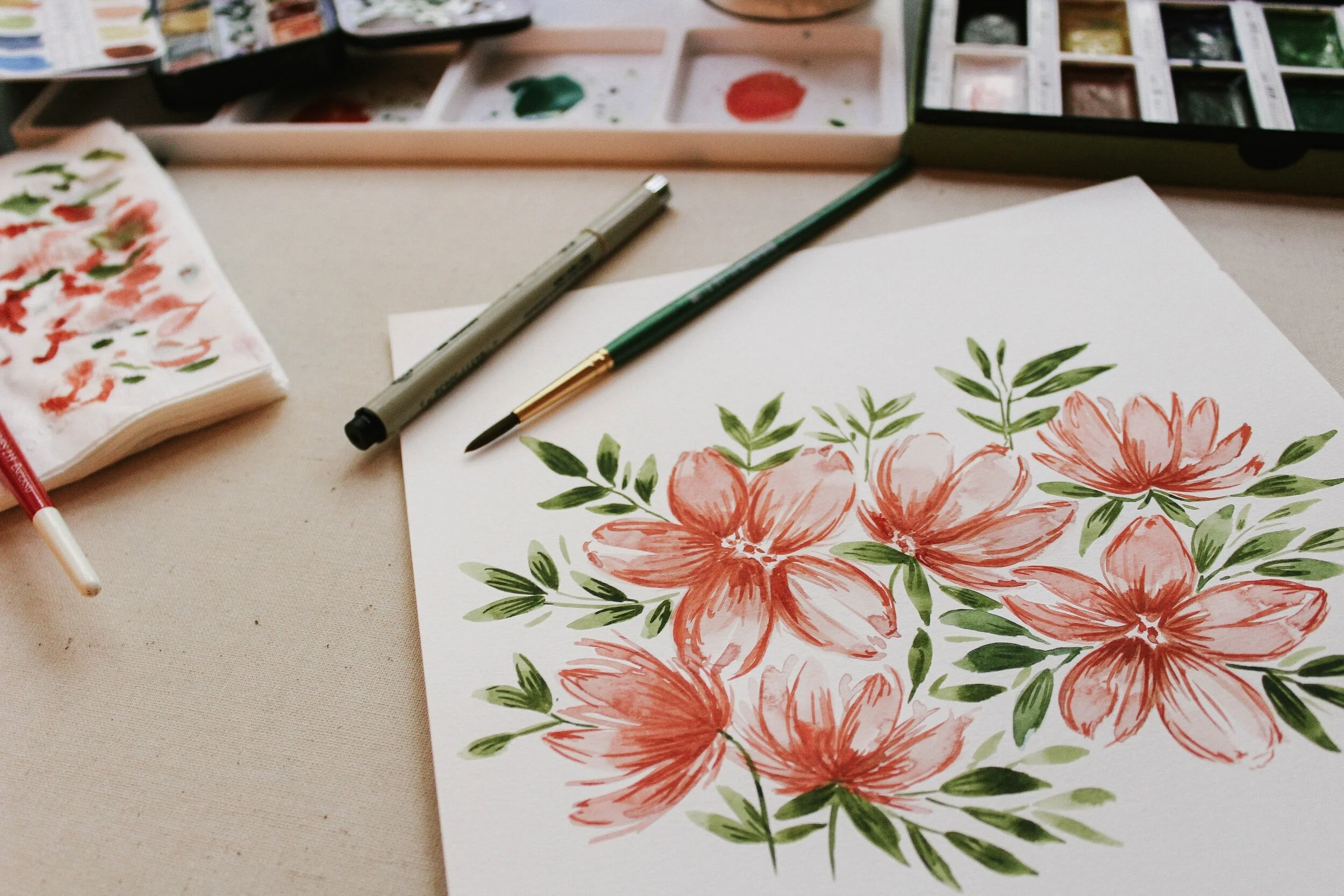
Preschool and Kindergarten:
Color Explorers: Teach children about primary and secondary colors through various art projects.
Texture Art: Explore different textures by creating artwork with various materials like sand, cotton, leaves, etc.
Shape Artists: Use basic shapes to create artwork, helping children identify and understand different shapes.
Elementary:
Famous Artists Study: Each week, learn about a different famous artist and create artwork in their style.
Art Around the World: Explore different art styles from around the world, such as Aboriginal dot painting or Japanese origami.
Comic Book Creation: Teach basic drawing techniques and storytelling through creating their own comic strips.
Middle School:
Pottery Classes: Teach basic pottery skills, including hand-building techniques like pinch pots, coil pots, and slab construction.
Photography 101: Introduce the basics of photography, including composition, lighting, and perspective.
Art Journaling: Encourage self-expression and creativity through maintaining an art journal.
High School:
Graphic Design: Teach about design principles and how to use graphic design software to create their own designs.
Portfolio Development: Help students create a portfolio of their work, which can be used for college applications.
Sculpture: Explore different materials and techniques for creating three-dimensional artwork.
Science Co-op Class Ideas
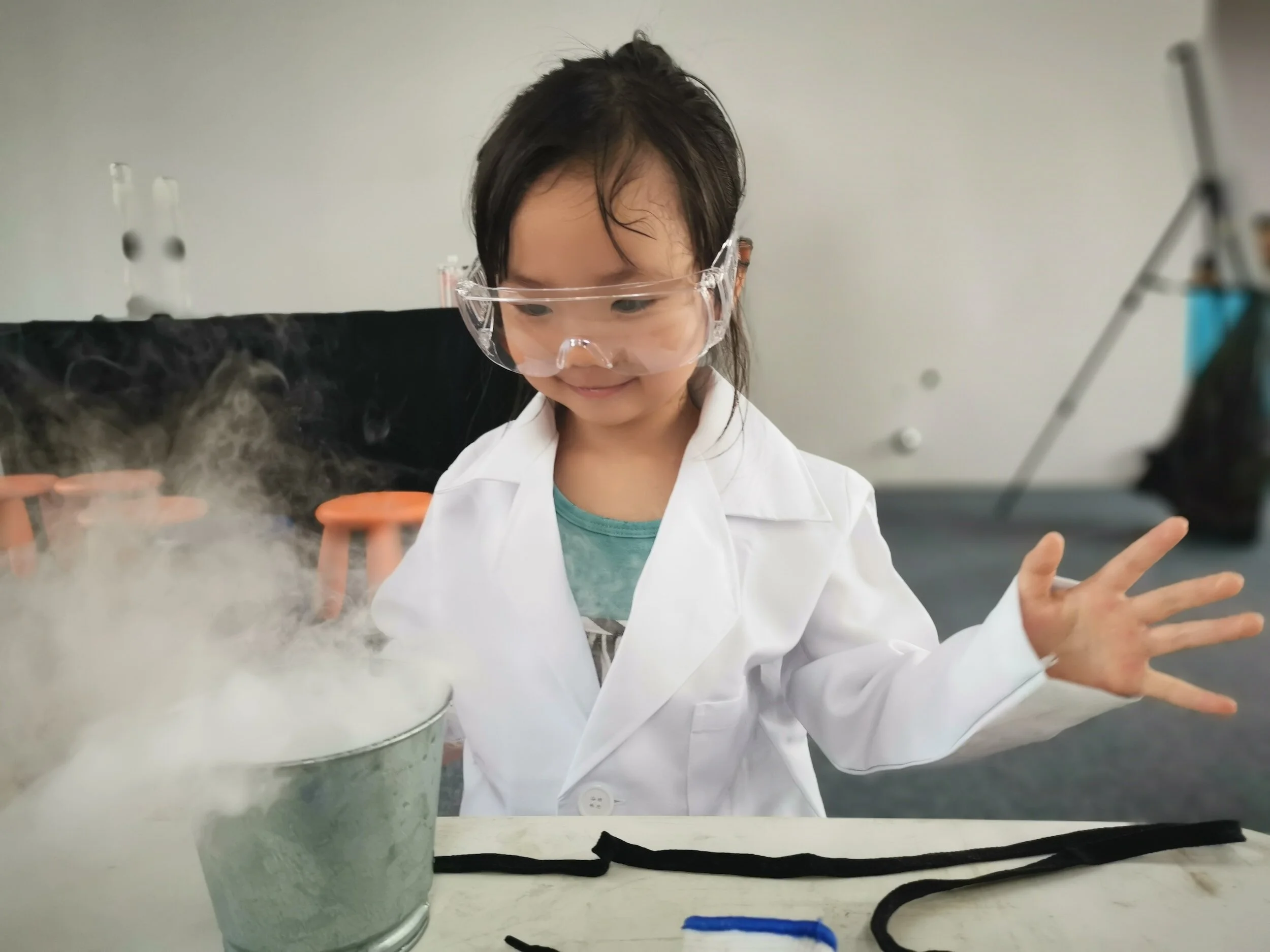
Preschool and Kindergarten:
Sensory Science: Use sensory bins to explore different materials and their properties.
Animal Adventures: Learn about different animals, their habitats, and characteristics through books, crafts, and maybe even some visitor creatures!
Weather Wonders: Teach children about different weather phenomena through hands-on and experiential activities.
Elementary:
Young Botanists: Explore the life cycle of plants, how they make food, and conduct fun experiments like growing beans in a jar.
Simple Machines: Learn about mechanical engineering science topics such as levers, pulleys, ramps, and more through hands-on exploration and construction activities.
Kitchen Chemistry: Conduct safe, simple science experiments using items found in the kitchen to teach basic chemistry concepts.
Middle School:
Nature Journaling: Encourage observation and curiosity with nature walks and journaling activities.
Rocket Science: Learn about the basics of aerodynamics and physics by building and launching model rockets.
Ecology Explorers: Discuss the science of ecology through ecosystems, food chains, and the impact of human activities on the environment.
High School:
Biology Lab: Dissect a frog or owl pellet, study cells under a microscope, or grow bacteria in a petri dish.
Chemistry Experiments: Conduct science experiments to learn about chemical reactions, the periodic table, and molecular structures.
Physics in Action: Explore concepts like force, energy, and motion through hands-on experiments and real-world examples.
Life Skills Co-op Class Ideas
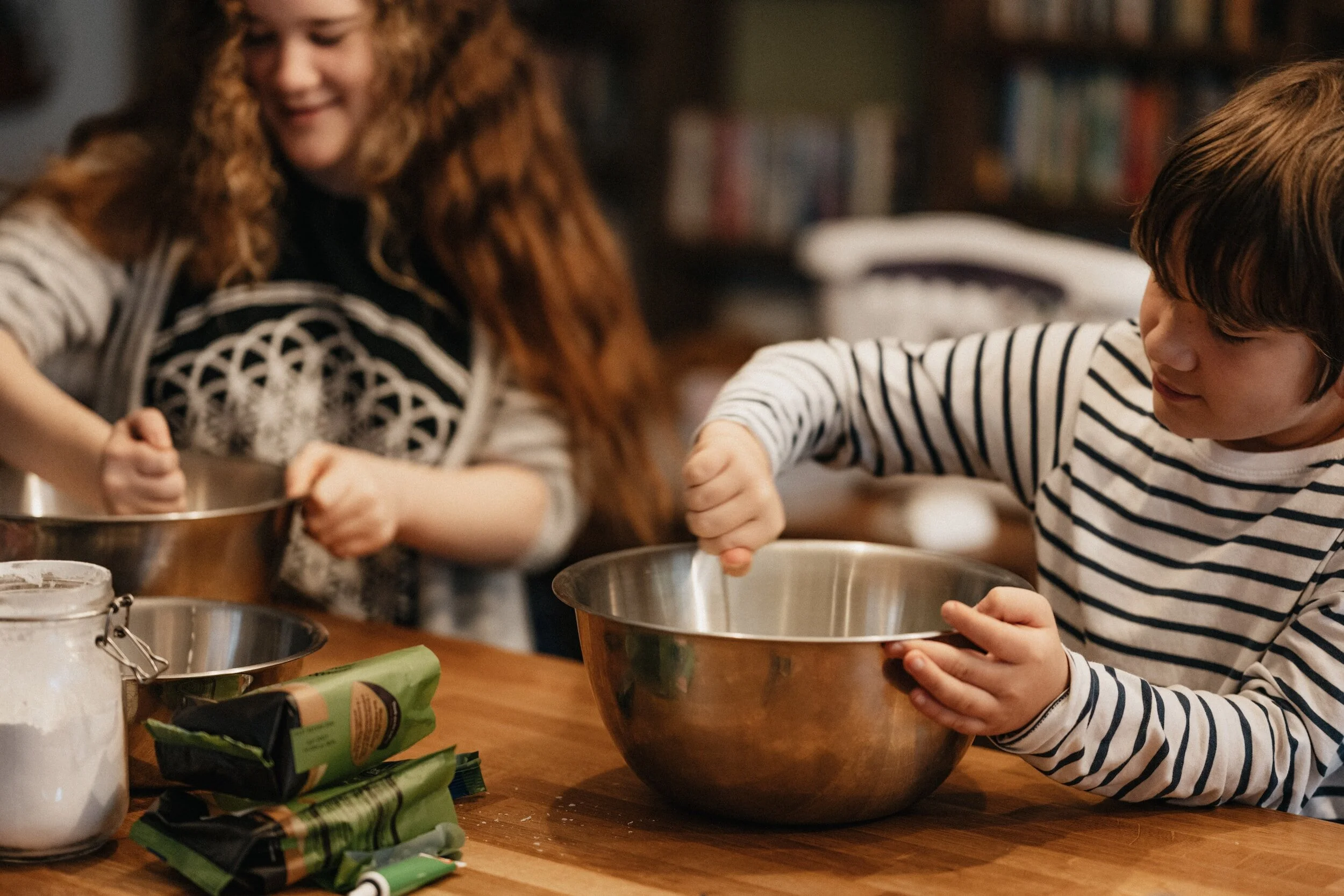
Preschool and Kindergarten:
Manners Matter: Teach children about basic manners and etiquette through role-playing and interactive activities.
Healthy Habits: Discuss the importance of good hygiene, nutrition, and exercise.
Safety Skills: Teach young kids about fire safety, road safety, and what to do in an emergency.
Elementary:
Cooking Classes: Teach basic cooking skills, kitchen safety, and the importance of a balanced diet.
Money Management: Introduce concepts of earning, saving, and spending money through fun activities and games.
Gardening Club: Teach young kids how to plant and care for a garden, promoting responsibility and an understanding of nature.
Middle School:
First Aid Course: Teach basic first aid skills, including CPR and how to respond to common injuries.
Organization and Time Management: Discuss strategies for staying organized, managing time effectively, and setting goals.
Public Speaking: Improve communication skills with activities that promote confidence in public speaking.
High School:
Job Skills Workshop: Cover topics like resume writing, job interviews, and workplace etiquette.
Personal Finance: Teach about budgeting, banking, credit, taxes, and other important financial skills.
Home Maintenance: Teach basic home maintenance skills, such as changing a tire, basic sewing for button replacement, or simple plumbing fixes.
Survival Skills Co-op Class Ideas
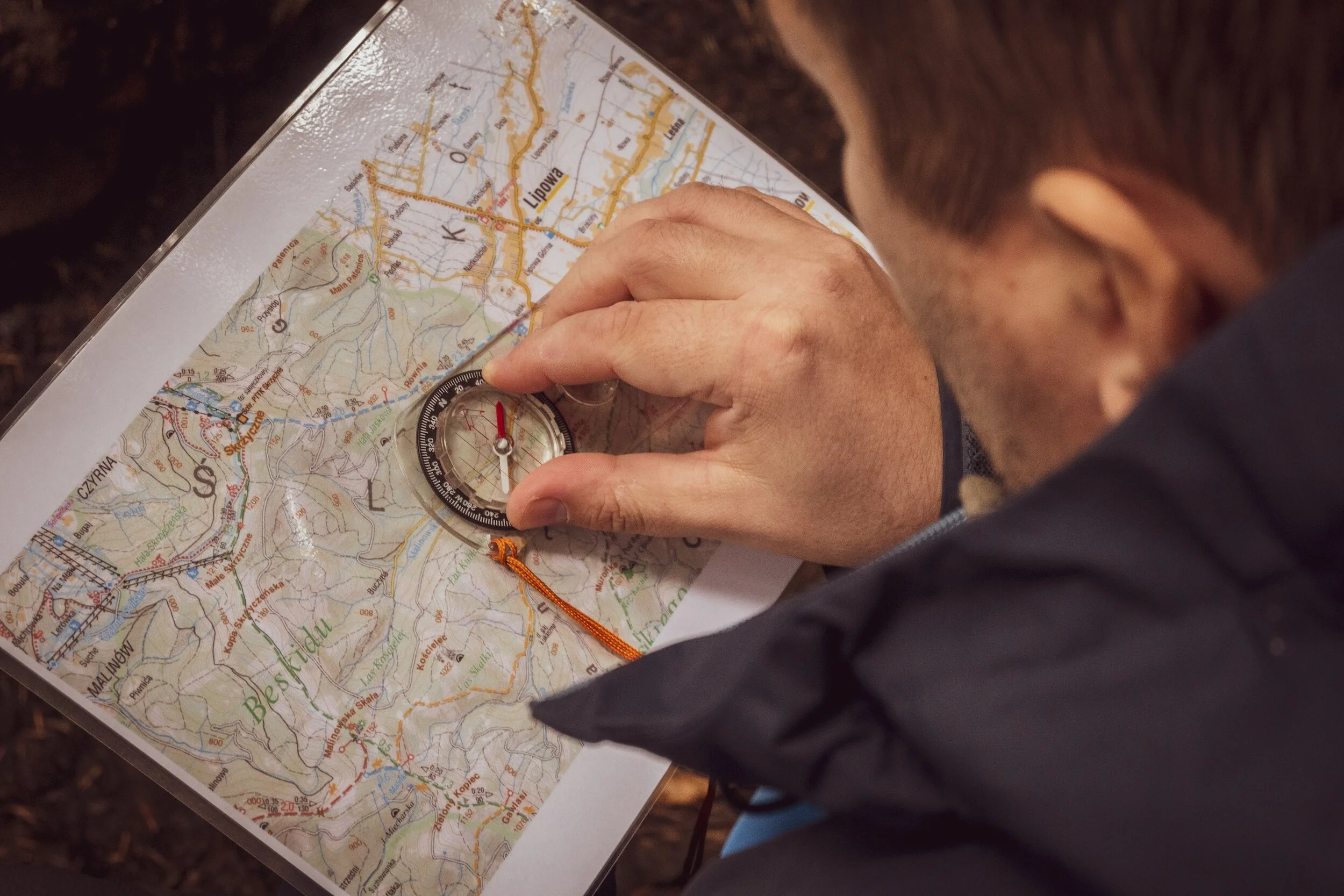
Elementary:
Outdoor Basics: Teach children about the importance of staying safe when outdoors, how to recognize landmarks, and basic trail etiquette.
Weather Awareness: Discuss different weather conditions and what to do in case of extreme weather scenarios.
First Aid Fundamentals: Cover basics like treating minor cuts, burns and recognizing signs of more serious conditions.
Middle School:
Basic Knots: Teach kids how to tie various types of knots and explain their practical uses in survival scenarios.
Map Reading and Navigation: Teach basic orienteering skills using a compass and a map.
Wilderness First Aid: Expand on basic first aid with wilderness-specific scenarios, like treating snake bites or hypothermia.
High School:
Survival Scenarios: Discuss various survival scenarios and appropriate responses, such as what to do if lost in the woods.
Fire Building: Teach how to safely build and extinguish fires and discuss fire safety.
Emergency Preparedness: Cover topics like creating an emergency plan, building a survival kit, and basic disaster response skills.
Humanities Co-op Class Ideas
Preschool and Kindergarten:
Story Time: Read classic children's books like Aesop’s Fables and discuss the stories and lessons they teach.
Around the World: Introduce children to different countries and cultures with simple crafts, songs, and stories.
Past and Present: Help children understand the concept of history by discussing how life was different in the past.
Elementary:
Storytelling and Folktales: Explore stories from various cultures around the world, discussing their themes and morals.
World Cultures: Expose children to different cultures and their traditions, foods, clothing, and languages.
Introduction to History: Teach basic historical events and figures through interactive activities and storytelling.
Middle School:
Creative Writing: Encourage students to express themselves and their personal culture through writing stories, poems, or journals.
Local History: Explore the history of your local area, including significant events, people, and landmarks.
World Religions: Discuss the basic principles, traditions, and histories of various world religions.
High School:
Philosophy 101: Introduce basic philosophical concepts and famous philosophers, encouraging critical thinking and discussion.
Current Events: Discuss recent news stories and their broader social and political context.
Cultural Studies: Dive deeper into specific cultures, studying their history, literature, art, and societal structures.
Government and Economics Co-op Class Ideas

Preschool and Kindergarten:
Community Helpers: Teach children about different roles in their community, like firefighters, teachers, and doctors.
Learning About Coins: Introduce children to the concept of money by identifying different coins and their values.
Rules and Leaders: Explain why we have rules and introduce the idea of community leaders like mayors and police.
Elementary:
Community Helpers: Teach children about the different roles in a community and how they contribute to its functioning.
Money Matters: Introduce basic concepts of money, such as currency, saving, and spending.
Understanding Rules: Discuss why rules are important, who makes them, and the consequences of breaking them.
Middle School:
Introduction to Government: Discuss the basics of government structure, roles, and responsibilities.
Personal Finance: Teach about budgeting, banking, and basic financial planning.
Civics and Citizenship: Cover topics like rights, responsibilities, and the importance of community involvement.
High School:
Economics 101: Introduce fundamental economic concepts like supply & demand and macro & microeconomics.
Political Science: Discuss different political systems, ideologies, and significant political events in history.
Public Policy: Analyze current public policies, their impact, and the process of policy-making.