How to Find the Best Curriculum for Homeschooling

Wading through the curriculum overwhelm?
Sit back, relax, and scroll on to find the fix to your homeschool curriculum blues. Below I have options listed by subjects, what the various acronyms stand for, and so much more to try and help make the process less daunting.
If you need more support trying to find a solid program or how to teach it, you’re welcome to reach out for support. I want you to feel confident and excited!
The following post is COMPREHENSIVE. It’s a big one! Scroll if you’re new to homeschooling and need a breakdown to understand this big new world of curriculum!
To see my entire library of curriculum posts, feel free to explore my curriculum archive page!
When you make the decision to start homeschooling, feeling overwhelmed by the massive amounts of curriculum options isn’t what you had in mind to start your new adventure.
I get it - I jumped in with a 6, 5, and 1 year old while pregnant! In this super comprehensive guide, I'm going to help break it down into understandable chunks to make it far less of a daunting task.
Buckle up! We're about to dive into the wild world of homeschooling. We'll be checking out all the different curriculum options, figuring out what subjects you need to cover, and sharing some insider tips to help you pick the perfect fit for your family.
By the end of this, my hope is that you’ll be ready (and excited!) to kick off a homeschooling adventure that's as unique and awesome as your kiddo.
Key Takeaways
Get to know all about homeschool curriculum options and what your family values most to make smart choices.
Think about the main subjects, how your kid learns best, your goals, and how much you're willing to spend when picking a curriculum.
Jazz up your chosen curriculum with cool online resources & apps for a well-rounded and fun educational adventure.
Understanding Homeschool Curriculum Options - Breaking It Down Into Actionable Chunks
Navigating the world of homeschool curriculum can feel totally overwhelming, but understanding how to break it all down into groups is key to making it far less confusing. From secular to faith-based choices, there’s a curriculum designed to suit your family's education preferences and child's learning strengths.
It's all about narrowing down your options and ruling out what won't work.
Whether you’re searching for a comprehensive all-in-one curriculum or an online public school alternative, the possibilities are vast but can definitely be tailored to your unique homeschool journey.

Secular vs. Faith-Based Curriculum
When selecting the best homeschool curriculum for your family, deciding if a secular or faith-based curriculum is best for your family’s beliefs and educational goals is your first move. This eliminates a massive amount of curriculum options to have to sift through.
What is a Secular Curriculum?
Secular curricula focus exclusively on academic subjects without any religious content, making them suitable for families who prefer a non-religious educational approach or don't want to intermingle lessons.
What is a Faith-Based Curriculum?
On the other hand, faith-based curricula integrate religious teachings and perspectives into academic subjects, catering to the needs of families who value spirituality in their child’s education.
Types of Homeschool Curriculum
Next, as you explore curriculum options, you're going to find there are a variety of types catering to diverse learning needs and educational goals. Some popular types include:
All-in-one (comprehensive and teach all subject areas)
Literature-based (learning through reading books, also called living books - a popular method called Charlotte Mason style learning)
Nature-based (generally secular)
Online (homeschool programs taught through video lessons or live classes)
Subject-specific (you piece curriculum together based on your wants/needs)
The core subjects you’ll need to teach each year will vary by age and subtopics, but you will need to cover:
Math
Social Studies
Some parents will also need to take special needs and learning differences into consideration when choosing a curriculum. I have multiple kids with special learning needs. I’ve compiled a comprehensive guide for those who have kids who are Gifted and Talented or 2e (twice exeptional) learners
Every curriculum type presents distinct advantages tailored to varying learning strengths and interests. Understanding these diverse systems of curricula will help when selecting the most suitable one for your family. Knowing what appeals to your learner will also save you money from having to purchase something new once into the school year!
All-in-One Curriculum
All-in-one curricula provide a comprehensive education plan covering all subjects for specific grade levels, from kindergartners to high school students. These curricula generally include a wide variety of subjects such as:
reading
writing
grammar
spelling
vocabulary
math
history/social studies/geography
science
foreign language
Bible
computer
music
art/art history
physical education/health
An all-in-one homeschool program is usually designed by experienced professionals and can provide a solid foundation for homeschooling.
Benefits to All-in-One Curriculum
These curriculum packages often appeal to the busy homeschool family who doesn't want to sift through the multitude of curriculum options and parents who lack confidence in their teaching abilities. They are also popular with families that are new to home school.
A benefit of utilizing an all-in-one curriculum is the convenience it offers by encompassing all subjects for a grade level in a single package with all the materials included. This can make homeschooling easier, while saving time and effort for busy families, ensuring a well-rounded, successful homeschooling education for their children.
Drawbacks to All-in-One Curriculum
Oftentimes, the lesson plan schedule can be quite rigid, leaving homeschool parents feeling inadequate if they can't keep up with the scheduled lessons. There is generally no room for modifications to lessons which makes these a poor choice for students who have learning differences or are gifted and need more challenging work in select areas.
Literature-Based Curriculum

Literature-based curricula use books and stories to teach various subjects, promoting reading and critical thinking skills. Instead of relying on traditional textbooks, this homeschool style of literature-based curricula emphasizes learning through engaging and relevant literature, such as stories, novels, and other literary works. These are often referred to as Living Books.
Integrating literature into various subjects allows students to dive into and learn through the compelling power of storytelling. A literature-based homeschool curriculum not only teaches academic subjects but also encourages a love of reading and helps develop critical thinking skills.
For examples of both faith based & secular literature-based curriculum, check out my post on Literature Based homeschool curriculum.
Nature-Based Curriculum
Check out this list of Nature Schooling homeschool curriculum options.

Nature-based curricula focus on outdoor learning and hands-on experiences, imparting subjects through the prism of nature. Integrating the natural world into teaching and learning fosters students’ affinity for the environment and aids in developing a profound understanding of the world around them.
Nature-based curricula encourage children to spend ample time outdoors, exploring local natural areas and participating in outdoor lessons and activities. They frequently connect academic subjects to the natural world, offering a unique and engaging learning approach that differs from a traditional school setting.
Online Curriculum
Online homeschooling programs offer the following benefits for online homeschooling families:
Digital learning platforms with interactive lessons, quizzes, and progress tracking for students
A range of media to maintain student engagement and cater to various learning strengths.
Convenient and economical choice, often including automated grading and record-keeping capabilities for tracking kids progress

By utilizing an online school, or an online home school curriculum, parents can concentrate on bolstering their child’s learning journey without having to create an education plan or lesson planning. Using online classes are often key for high school courses, advanced classes, and college prep.
Many online curricula choices also offer the flexibility for students to learn at their own pace and can be adapted to address individual needs.
Piecing Out Curricula by Subject
This is what we do. We choose a different curriculum for each subject that we're learning. Selecting curricula by subject enables parents to:
Mix and match resources
Form a tailored education plan
Select the best resources for each subject
Ensure their child’s unique needs and interests are met
Provide their children with a truly personalized educational journey
This approach to selecting a homeschool curriculum provides the utmost flexibility and the chance to select the aptest resources for each particular subject. It allows a family to cater to their child’s individual needs and preferences, making the learning experience more engaging and effective.
Essential (Core) Subjects in Homeschooling
When you're picking a curriculum, you need to make sure it's covering all the important subjects you need for homeschooling. These subjects include:
Math
Social studies
Electives (consider homeschool co-ops!)
Just a heads up, not every homeschool curriculum out there will cover all the subjects you need. So, it's super important to do your homework and pick resources that cover all your bases, making sure your kid gets a well-rounded education. You definitely don't want to look back in a few years and realize there are gaps in what your kid has learned.
Language Arts
Language arts is an essential subject in a homeschool curriculum and encompasses multiple skills such as:
Mastering language arts is really important. I'm not sure there is any more important skill than knowing how to read and communicate effectively!
When choosing an ELA (English Language Arts) curriculum, it’s vital to pick one that suits your child’s individual needs and learning style. Look for a curriculum that incorporates:
Engaging and diverse resources, such as literature, writing prompts, and interactive activities
Tools and materials that cater to different learning styles
Clear and structured lessons
Opportunities for independent reading and writing practice
Ways to track progress and check for understanding
Math
A comprehensive homeschool math curriculum should include key components such as:
Clear guidance and instruction for the parent-teacher, or instructional video tutorials
Critical thinking questions such as story problems or real-life scenarios
Problems and solutions
Clear ways to assess progress and check for understanding
Coverage of core math subjects such as arithmetic, geometry, algebra, and statistics

A solid math curriculum should focus on developing foundational skills, problem-solving, and critical thinking through various mathematical concepts. Too often, a curriculum teaches memorization or simply math facts without the child understanding the WHY a problem is worked the way it is, which leads to kids struggling with higher-level math when they don't know why or how to apply a concept.
While choosing a math curriculum, take into account your child’s learning style and educational goals. Look for a curriculum that offers engaging lessons, interactive exercises, and real-world applications to help your child develop a strong foundation in math.
Manipulatives manipulatives, manipulatives! If your curriculum doesn't include them, grab some cost effective ones off Amazon! Math is a hands-on subject! Don't skip this!!!!!
Science
Check out this list of secular homeschool science curriculum options.

When it comes to science, we're not just talking baking soda volcanoes here. A top-notch science curriculum should turn your kiddo into a mini Sherlock Holmes, exploring the mysteries of the natural world, the complexities of chemical reactions, and the wonders of wildlife.
The best science curriculums will cover all the bases, from biology to physics to earth science, and everything in between. It's like a world tour, but instead of countries, we're visiting different branches of science!
And remember, just like picking a favorite ice cream flavor, it's all about your child’s interests and learning strengths!
Social Studies
Think of social studies curricula as your child's passport to history, geography, government, and cultural understanding. It's a whirlwind tour that doesn't require packing a suitcase! An excellent curriculum in this field should be like an engaging documentary series, full of interactive lessons and real-life applications.
There is zero need for the dry history texts of our youth!
As always, when choosing this educational journey, consider your child's interests and learning strengths. You wouldn't take a bookworm on a hiking trip, right? So, look for a curriculum that offers engaging lessons, hands-on activities, and practical applications.
Electives
Electives hold a significant role in a homeschool curriculum, enabling students to explore personal interests and develop specialized skills. Some common electives include:
Foreign language courses
Personal finance courses
Fine arts courses
Entrepreneurship courses

Incorporating electives into your child’s homeschool curriculum can help them discover their passions and develop well-rounded skills. When selecting electives, consider your child’s passions, future aspirations, and any college admissions requirements.
This is often where many homeschoolers find their lasting friendships with peers who hold similar interests. This could also be where they land their first job making some extra money or discover a passion for a new sport!
Tips for Choosing the Right Curriculum
Selecting the appropriate homeschool curriculum for your child can be a demanding task. To help you make the best decision, I’ve gathered some tips to guide you through the process. These tips include:
Understanding your child’s learning style
Setting clear goals
Considering your budget
Seeking input from other homeschoolers
Understand Your Child's Unique Style of Learning
Understanding your child’s most effective method for learning is crucial for choosing a curriculum that best fits their needs. Children can have various learning styles, the main ones are:
Visual - reading, seeing images, etc.
Auditory - listening
Kinesthetic - doing with the hands or body, writing
By understanding your child’s style of learning, you can choose a curriculum that caters to their unique needs and preferences, making the learning experience more engaging and effective.
To identify your child’s learning strengths, you can:
Observe their behavior and activities in their free time
Look for patterns in the way they play, learn, and explore at home
Take online quizzes that can help determine your child’s learning style
Once you understand your child’s learning strengths, you can select a curriculum that aligns with their preferences and fosters a successful learning environment.
Have Clear Goals
Choosing a homeschool curriculum without clear educational goals is like trying to bake a cake without a recipe. Sure, you might end up with something edible, but it probably won't win any baking competitions.
Before diving into the sea of curriculum choices, make sure you've got your educational compass set. These goals will be your North Star, guiding you towards a curriculum that aligns with your child's interests and aspirations and away from those that don't. It's all about making education a tailored suit, not a one-size-fits-all!
Consider Your Budget
Depending on your location, homeschooling can be expensive! Make sure you have a set budget and try to stick to it. It can be tempting to buy all the things, but it adds up super quickly. The cost of homeschool curricula can vary widely, from free online resources to several hundred or even thousands of dollars per child annually.
To homeschool within a budget, explore affordable curriculum options, such as free homeschool curriculum websites, used curriculum pages, joining homeschooling co-ops, and utilizing online resources. By being mindful of your budget, you can provide your child with a quality education without breaking the bank.
Consider Input from Other Homeschoolers
Soliciting advice and recommendations from seasoned homeschoolers can offer invaluable insights into the effectiveness and suitability of different curriculum choices. By consulting with other homeschooling parents, you can gain confidence in your chosen curriculum and learn from their good/bad experiences.
In addition to consulting with experienced homeschoolers, consider joining homeschooling support groups and online forums where you can ask questions and receive feedback from others who have faced similar challenges. Take advantage of the collective wisdom of the homeschool community. Our goal is to make more informed decisions and provide our children with the best possible education!
Our Favorite Top-Rated Homeschool Curriculums
Based on my research and experience, I've compiled a list of our favorite, top-rated homeschool curricula. These include:
Math Mammoth
History Quest
Mystery Science
Generation Genius
All About Reading
All About Reading is a comprehensive reading program that uses a multisensory approach, ensuring that all types of learners, even those with learning differences, can benefit from its lessons. This curriculum is designed to teach reading through engaging, interactive lessons that incorporate visual, auditory, and tactile elements to keep students interested and motivated.
With its step-by-step approach, All About Reading is an excellent choice for homeschool families looking to build strong reading skills in their children.
I have used this curriculum with massive success for 3 children. We love it because it has fun, thorough lesson plans and has mitigated reading struggles related to dyslexia!
All About Spelling
All About Spelling is a mastery-based spelling curriculum that teaches spelling through a logical, step-by-step method. This curriculum is designed with step-by-step lessons and instructions provided in the Teacher’s Manual, making it easy for any homeschooling parent to teach children who are ready to start spelling.
With its self-paced and mastery-based approach, All About Spelling is a highly effective choice for homeschool families looking to improve their child’s spelling skills.
Math Mammoth
Math Mammoth offers a mastery-based math curriculum that focuses on developing conceptual understanding and mental math strategies. This zero prep curriculum includes:
Student workbooks that help kids learn independently
Answer keys
Tests
Cumulative reviews
Instructional videos
This all makes Math Mammoth a complete and affordable option for homeschooling families.
With its clear explanations and practice exercises, Math Mammoth is a top choice for parents looking to provide their children with a strong foundation in math.
History Quest
History Quest is a narrative-based secular history curriculum that provides fun lessons for elementary and middle school students through a storyline. This curriculum covers various topics, such as ancient civilizations and empires, and US history and civics, in an engaging and accessible way.
Designed like a storybook, History Quest offers a unique and affordable option for homeschooling families looking to teach history in an engaging and memorable way. We have used their book to read aloud, but have more recently fallen in love with using the audio version that helps me not butcher unfamiliar words and saves my voice!
Mystery Science
Mystery Science is an affordable science curriculum that offers fun videos for students in grade level K-5. There are both mini lessons and full units with experiments, handouts, etc. It has:
Hands-on science lessons and experiments for elementary students
Coverage of a wide range of topics, including motion, biodiversity, engineering, climate science, and more
Alignment with the Next Generation Science Standards (NGSS)
With its engaging lessons and activities, Mystery Science is an excellent choice for homeschool families looking to provide their children with a solid foundation in science.
I know that with the lack of engaging science curricula in public schools, many districts have taken to using Mystery Science as their main curriculum for elementary-aged students.
Generation Genius
Generation Genius is another video-based, award winning curriculum for science that is aligned with Next Generation Science Standards.
My kids think this online program is much more exciting than Mystery Science, but it is super expensive! The only reason we gave it a try is because I got a coupon for 50% off.
This curriculum offers:
Engaging video lessons
Lesson plans
Quizzes
Interactive, hands-on experiments
These resources help students develop a strong understanding of various science topics from physics to physical science.
Generation Genius is an excellent choice for homeschool families looking to provide their children with an engaging and effective science education, but again, it is really expensive for a year's subscription. Boo.
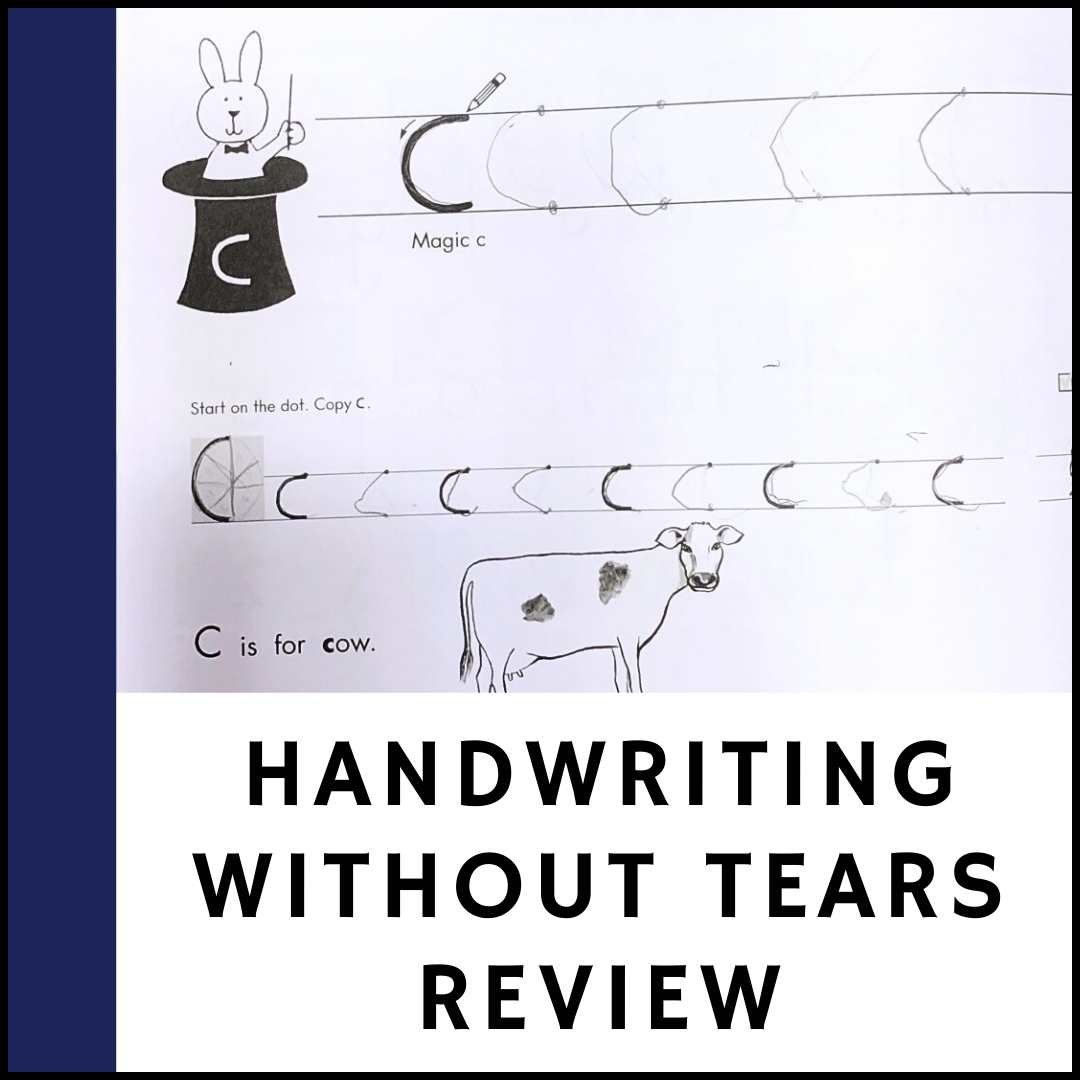
Learning Without Tears
Learning Without Tears is a multisensory curriculum that focuses on handwriting, keyboarding, and early learning skills. This curriculum offers a variety of resources, including leveled kits and workbooks, to help children of all ages develop essential fine and gross motor skills through hands-on materials and purposeful play.
We use it for beginning handwriting up through 3rd grade. We use this for cursive as well.
Adapting and Supplementing Your Chosen Curriculum
Once you've picked a homeschool curriculum, it's super important to tweak it so it fits your kiddo's needs and interests. You might need to change the speed of the lessons or add some extra content. If your child has learning differences, you'll need to adapt your teaching methods too. And don't forget about all the awesome online resources and apps out there that can make learning even more fun and interactive!
In the following sections, I'll go over various strategies for adapting and supplementing your chosen curriculum.
Adjusting Pacing and Content
Modifying the pace and content of your curriculum is crucial to meet your child’s individual needs and interests.
To modify the pace and content of your curriculum, here are a few strategies:
Identify areas where your child needs additional support and adjust the pace of the lessons accordingly. Slow down, repeat lessons, try a new approach to old material.
Tailor the content of the curriculum to align with your child’s interests and learning strengths. Look into unit studies. Go ahead and deep dive into cheetahs while covering math, reading, geography, and more!
Incorporate hands-on activities and real-world applications. Cue the field trips!
Supplement the curriculum with additional resources, such as online resources and apps. For example, my kids have loved Math Tango for basic addition/division/subtraction/multiplication/division practice as well as Epic! for books online.
Teaching Children with Learning Differences
Adjusting your teaching techniques and curriculum to fit the needs of children with learning differences is a crucial part of their homeschooling success. We know it can feel overwhelming, especially when it feels like you're navigating this journey alone. But remember, you're doing an amazing job, and your efforts are making a huge difference in your child's life!
Understanding your child’s unique needs and learning methods allows you to customize your curriculum and teaching style to provide a more effective and less stressful learning environment.
Here's a few strategies that might help when teaching children with learning differences:
Look into adaptive curriculum specifically designed for your student's challenges.
Modify content and pacing as your child needs.
Take liberty with the flexibility of homeschooling and work with what supports your family's needs.
Find outside services that specialize in your area of need - you're not alone!
Join homeschool groups with families in similar situations and find what has helped them.
Remember, by taking the time to understand and accommodate your child’s learning differences, you're creating a supportive and inclusive homeschooling environment. And that's something to be proud of!
Utilizing Online Resources and Apps
Complementing your chosen curriculum with online resources and apps can be an effective method to boost learning and excitement. Online resources offer a wealth of information and interactive activities that can help your child develop a deeper understanding of various subjects. Don't be afraid of technology! It is the future for our children and can be used in mindful, minimalistic ways that enhance what you are teaching
Summary
In wrapping things up, remember that choosing the right homeschool curriculum might seem like trying to find a needle in a haystack, but don't fret! By understanding the different types of curricula, focusing on essential subjects, and using these handy-dandy tips, you're well on your way to providing a tailor-made, top-notch education for your little scholar.
As you embark on this homeschooling adventure, remember you're not alone - there's a whole community of homeschool heroes out there for support! And let's not forget the ultimate goal: to ignite a passion for learning and pave the way for your child's dazzling future. With your love, dedication, and guidance, you're not just a parent - you're a super homeschooler ready to conquer the world of education!
Frequently Asked Questions
What is a curriculum for homeschooling?
A curriculum for homeschooling is a collection of educational texts, media, activities, and assignments used to structure learning. This can be done through purchasing ready-made programs, or using unique worksheets and projects tailored to the student's needs.
How do I create a homeschool curriculum?
Creating a homeschool curriculum can follow any path you choose! Generally it starts with determining a basic theme, setting goals, and seeking guidance and advice. You can also do your research, identify topics to cover, create a timetable, select high-quality resources, and add in hands-on activities. With these steps, you can easily create unique lesson plans and design a curriculum that your kids will love.
Which homeschool curriculum is best for me?
Each homeschool curriculum has its own unique strengths and could be a fantastic fit for your family. However, remember that every family is unique and what works for one may not work for another.
The beauty of homeschooling is in its flexibility and the opportunity to tailor education to your child's specific needs. Therefore, the 'best' curriculum is truly the one that fits your family's educational philosophy and your child's learning style the best. So, be encouraged to explore, try out different options, and discover the perfect fit for your family's homeschooling journey.
Jump to a Specific Curriculum Post Below: