
What is STEM? Fight Homeschool Boredom and Ignite Passion with STEM Education

What Does STEM Stand For?
What does STEM stand for? The acronym stem stands for:
Science
Technology
Engineering
Mathematics
STEM refers to the education and career fields related to these subjects.
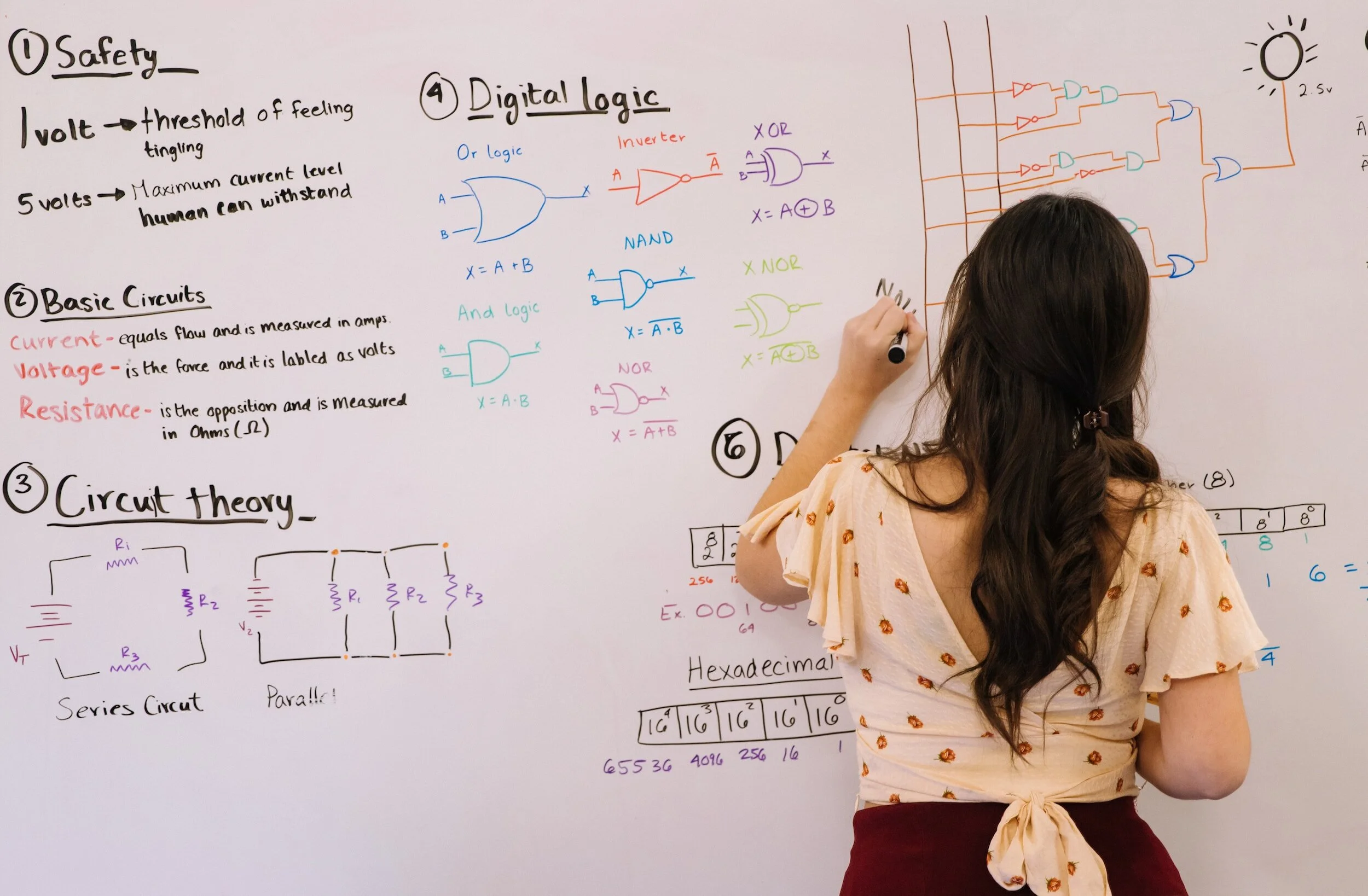
STEM vs STEAM, what's the difference?
STEM (Science, Technology, Engineering, and Mathematics) are the four fields that are generally the main building blocks of most modern careers and industries. STEM programs focus on helping students develop critical thinking skills and problem-solving abilities through hands-on learning.
On the other hand, there's STEAM, a similar version of STEM that adds Art into the mix. The A in STEAM stands for Art and includes all sorts of creative stuff like music, visual arts, and design.
STEAM education believes that creativity is crucial for problem-solving and innovation.
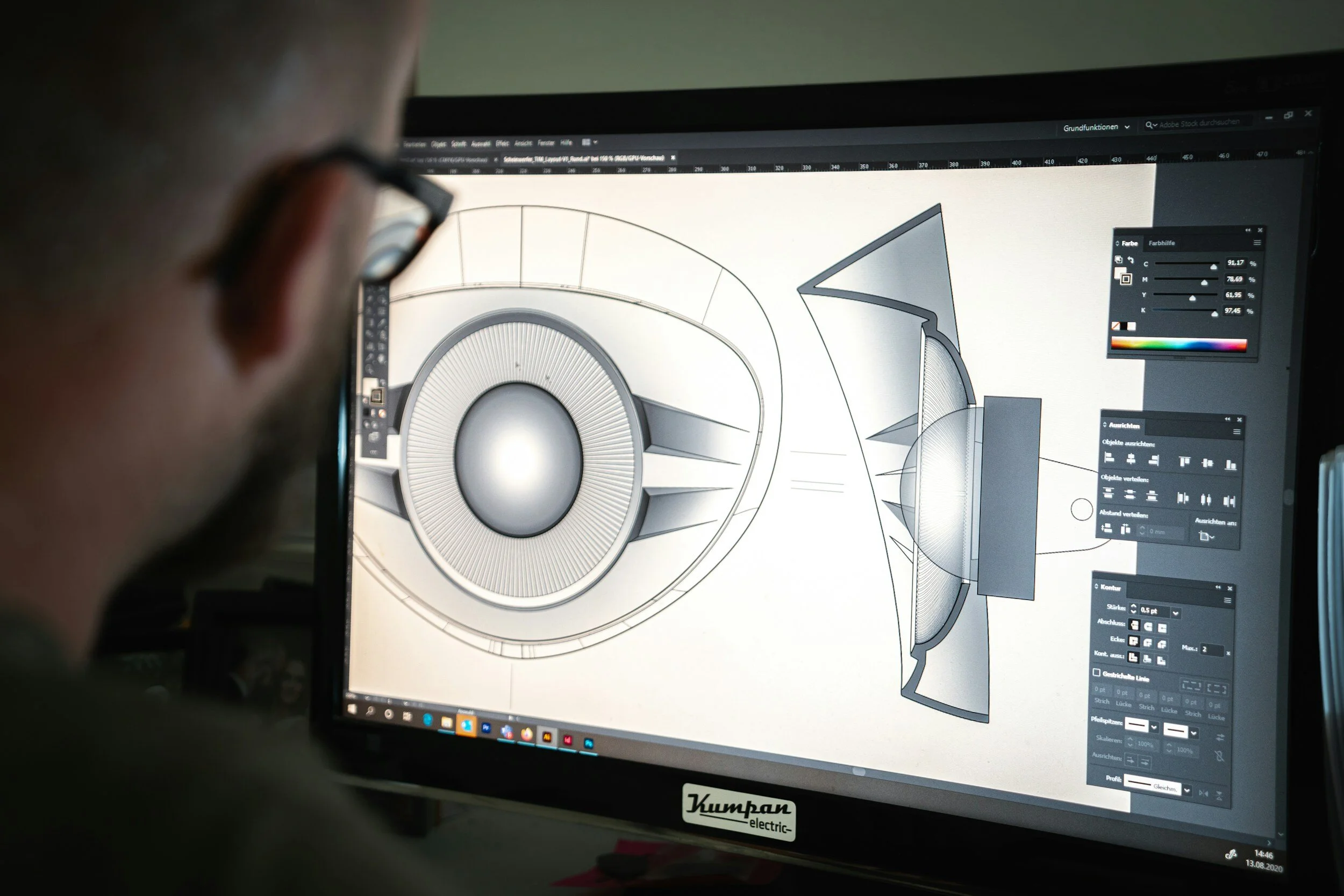
Design is an important aspect of problem-solving in many STEM fields
Why is STEM Education Important?
STEM Exposure To Skills For Future Jobs
STEM education is important for several reasons. With the rapid advancement of technology, careers in STEM fields are projected to grow significantly in the coming years. By exposing students to STEM subjects at a young age, we can prepare them for future career prospects and help bridge the skills gap in these industries.

STEM Activities Promote Executive Functioning Skills
Moreover, STEM education teaches valuable real-world executive functioning skills such as critical thinking, problem-solving, and collaboration. These skills are essential not only for STEM-related fields but also for non-STEM jobs. Young people who learn to solve problems are a valuable asset to society in any fashion.
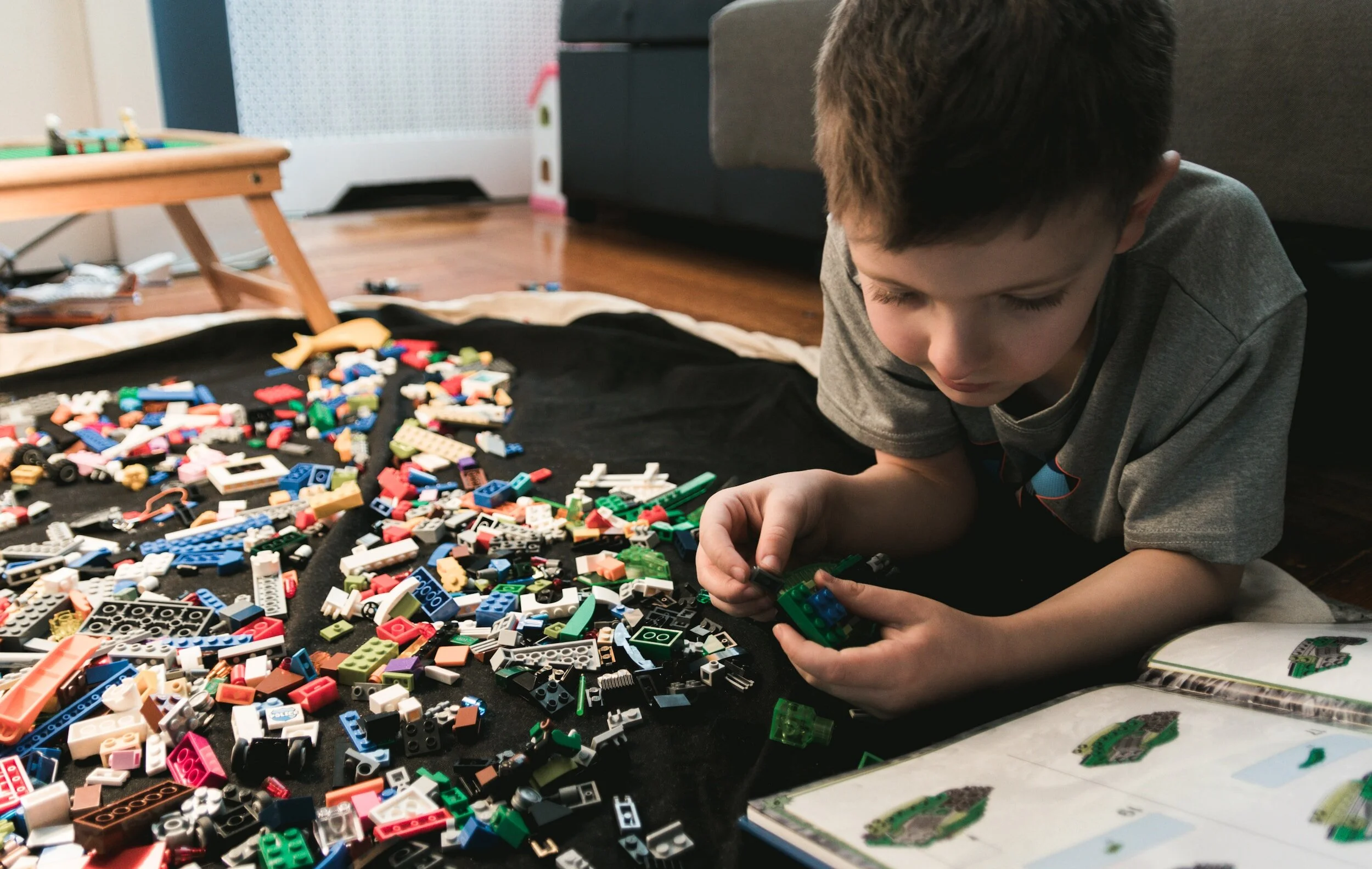
Why Does STEM Matter?
STEM education is more than just about preparing students for a college degree or future careers as computer scientists; it also teaches them valuable skills necessary for personal growth and development.
problem-solving
tenacity
creative thinking
critical thinking
collaboration
adaptability
communication
STEM education matters because the practical applications and uses of STEM skills teach the whole child and reinforce that life has more than black-and-white answers to problems. It teaches them to troubleshoot when things don't go as planned, acquire new skills, and work with others toward a common goal.
Here's a big one - it teaches kids that it's okay to fail and try again.

How Can We Use STEM to Fight Homeschool Boredom?
Shake Up Your Routine
Everyone gets tired of the same monotonous routine. Kids crave problems to solve - they are little chaos-creating machines because their brains are still firing and wiring and trying to figure out how the world works. When everything is the same, they lose their natural adaptability and ability to think abstractly.
I'm not saying ditch your homeschool routine or toss the schedule out the window, but do create new opportunities to engage the brain to make new connections.
STEM education can fight homeschool boredom by providing exciting and engaging activities that encourage creative thinking and problem-solving skills.
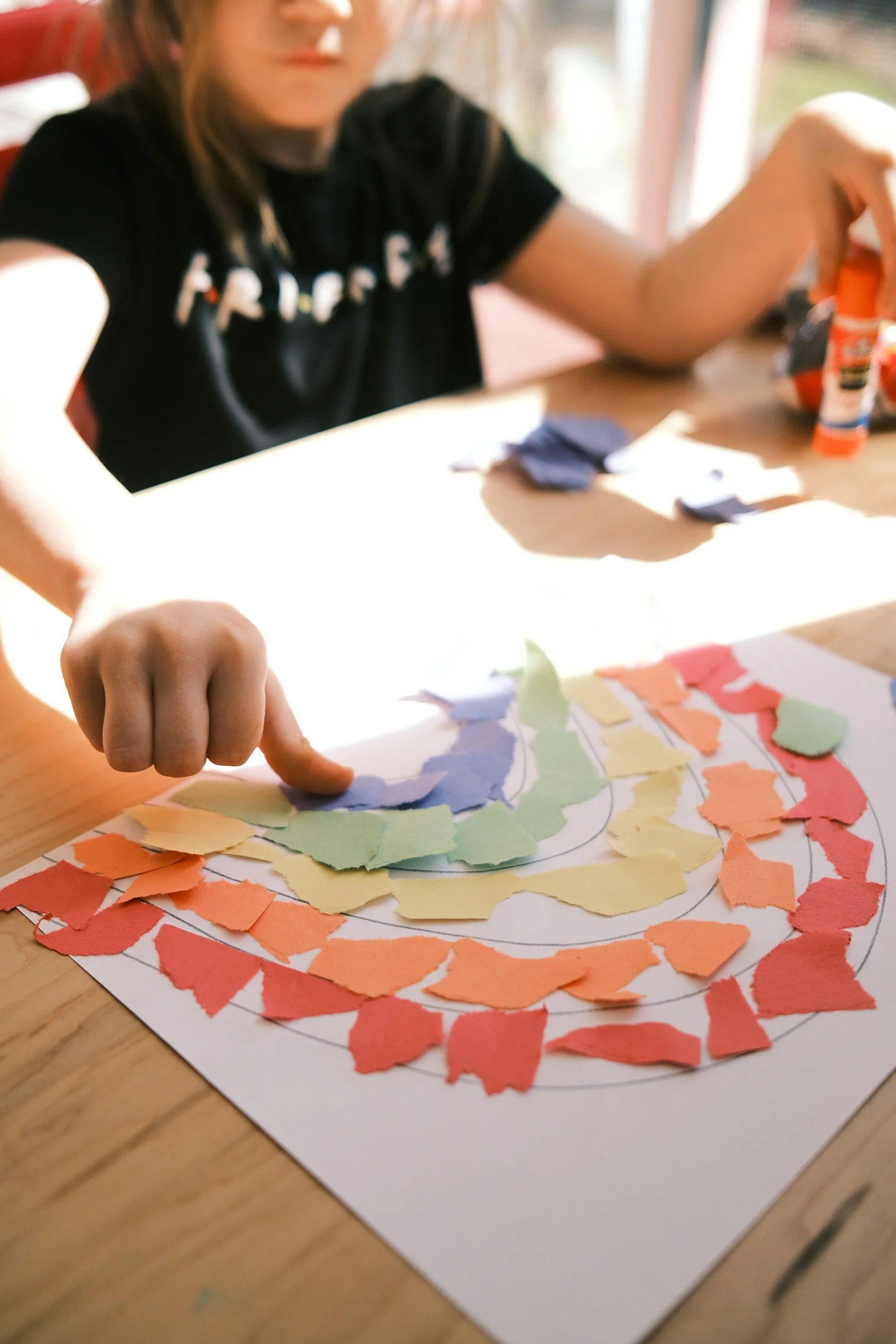
Try Hands-On Projects
Incorporating hands-on projects into your curriculum is a great way to fight homeschool boredom. These could be simple experiments using household materials or more complex engineering challenges for your students.
By allowing children to explore and discover new things on their own, they can develop an interest in learning and build confidence in their abilities.
For example, you can have your child build a simple machine using household items or experiment to learn about chemical reactions. These activities not only make learning fun but also encourage outside-of-the-box thinking (known as divergent thinking) and problem-solving skills. Students should also learn about responsibility, safety, respect for materials, and how to clean up properly.
Utilize STEM Curriculum, Games, and Apps
Another way to incorporate STEM in homeschooling is through educational games and apps. There are numerous interactive and engaging STEM-based games available that can help children learn while having fun.
You can also introduce your child to coding and programming through kid-friendly platforms and resources. Learning to code teaches valuable skills and promotes creativity and logical thinking.
There are tons of STEM professionals who are creating platforms to help bring STEM to children and prepare students interested in STEM jobs.
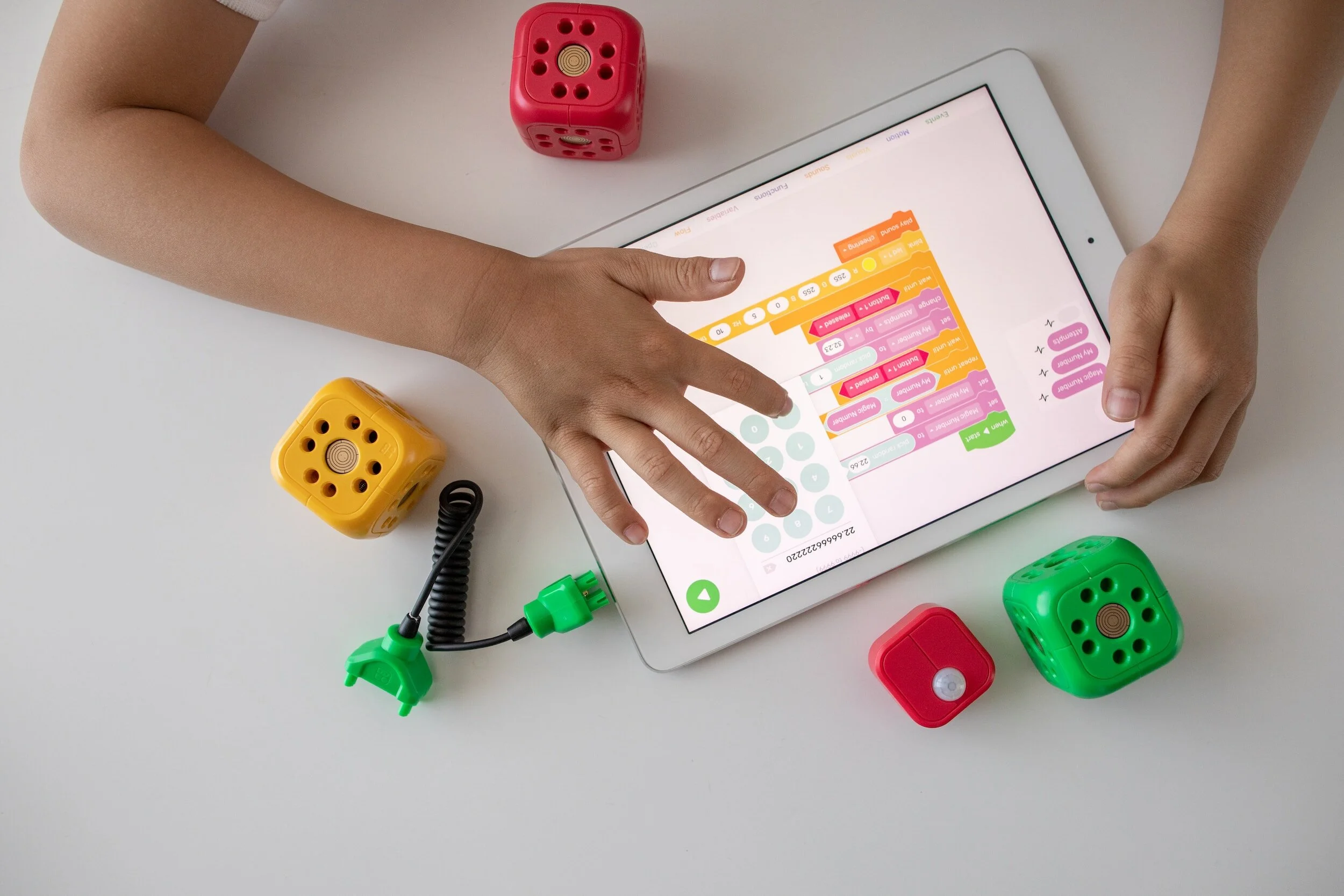
Yay for coding! They now make coding apps and games for preschoolers!
How early should I start introducing STEM?
STEM education doesn't have to wait for elementary school-aged children. Even the littlest of kids enjoy inquiry-based learning and hands-on fun!
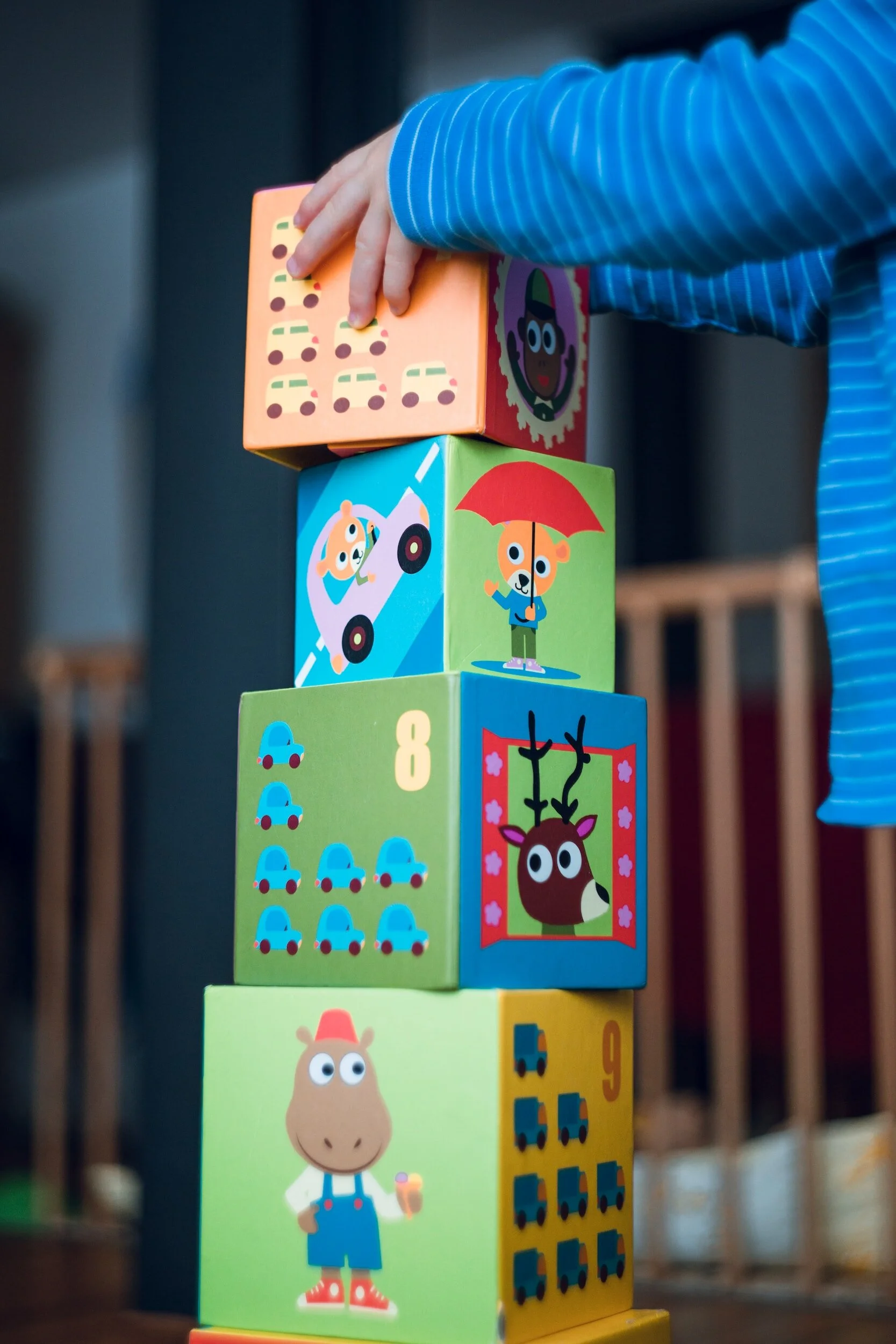
Again, let's address the key skills STEM teaches:
problem-solving
tenacity
creative thinking
critical thinking
collaboration
adaptability
communication
These skills are important for success in any field and can be introduced as early as preschool! Simple activities like counting objects, building blocks, and playing with puzzles all involve finding solutions and critical thinking.
Early Introduction to STEM Builds Passion & Resiliency
By introducing STEM at a young age, children can develop a strong foundation and interest in these subjects, perhaps making them more likely to pursue further studies or career opportunities. Unlock their natural passions!
There is no specific age to start incorporating STEM into your child's education. You can begin as early as preschool by providing age-appropriate activities focusing on science, technology, engineering, and mathematics.
What are they interested in? Start there! Do they like building? Destroying? Read books about technology for engineering and construction! Try these fun activities together!

Give them cardboard! They’ll amaze you with their creativity & creations!
Building a Tower: This is a fun and easy activity that introduces the concept of structural engineering to preschool children. Provide them with dry spaghetti (toothpicks work, too) and stale marshmallows, and challenge them to build the tallest tower possible. This activity will engage them and help them understand the importance of a stable structure.
Creating a Cardboard City: Give your kids a variety of cardboard boxes and let them construct their own city. They can design different types of buildings, roads, and even bridges. This hands-on construction project helps to develop their spatial thinking and understanding of architectural engineering while sparking their creativity.
How To Know What STEM Fields Your Child Enjoys
Identify Their Innate STEM Industry Preference
Not sure what your child is into? Try to find patterns in their interests.
building
destroying
animals
painting
super organized
super messy
anything electronic
nature lover
Consider their interests and see if they match any of the STEM subjects below! My mini-destroyer has a knack for engineering and physics - it turns out he wasn't just trying to break the house!
I will put good money that after you read the list below, you'll have an "ah-ha!" moment and find at least one topic that will excite your child.
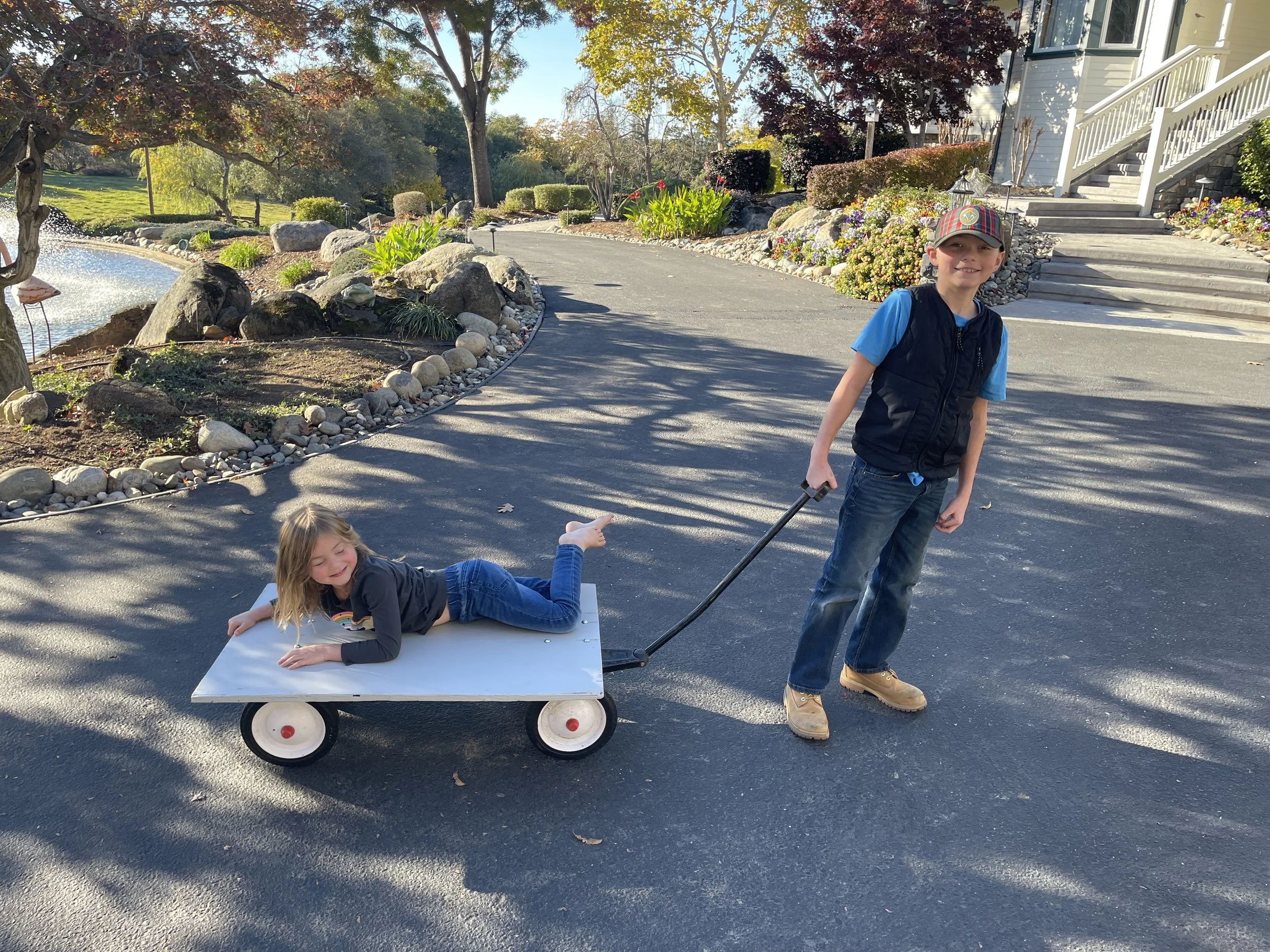
He salvaged the parts from the trash and built a “flatbed” - he’s been digging through our recycling since he could walk!
STEM Topics of Study
Mathematics: Includes topics like algebra, geometry, calculus, statistics, and mathematical logic.
Biology: Covers areas such as cell biology, genetics, physiology, ecology, and evolution.
Physics: Includes principles of forces, gravity, energy, light, and quantum physics.
Chemistry: Topics in this field include atomic structure, chemical bonding, reactions, thermodynamics, and organic chemistry.
Earth and Space Sciences: This involves studying geology, meteorology, astronomy, and environmental science.
Engineering: Covers areas such as civil, mechanical, electrical, and aerospace engineering.
Computer Science: Includes programming, algorithms, data structures, and computer systems.
Technology: This field includes studying systems, controls, processes, and the impact of technology on society.
Artificial Intelligence (AI) and Machine Learning (ML): Covering the basics of AI, ML, neural networks, and deep learning.
Robotics: Involves the design, construction, operation, and use of robots.
Data Science: Covers statistics, data visualization, and data analytics.
Environmental Science: This includes topics like renewable energy, climate change, and conservation.
Bioengineering: This field combines principles of biology and engineering to create usable products.
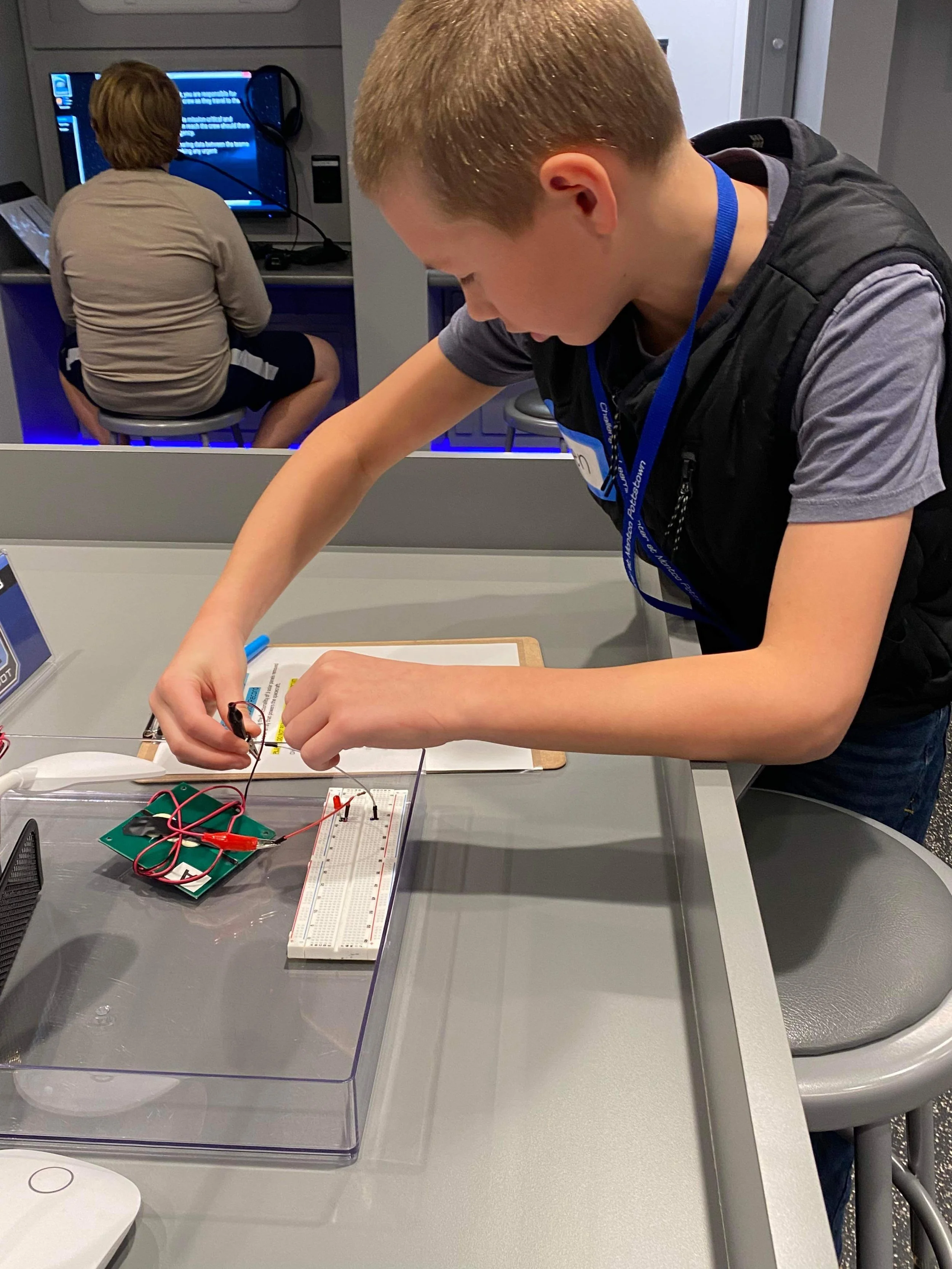
The ultimate STEM experience… The Challenger Learning Center, where he got to do a NASA simulation for both space and ground control positions!
Our Newest Favorite STEM Program for Homeschool - Innovator's Tribe
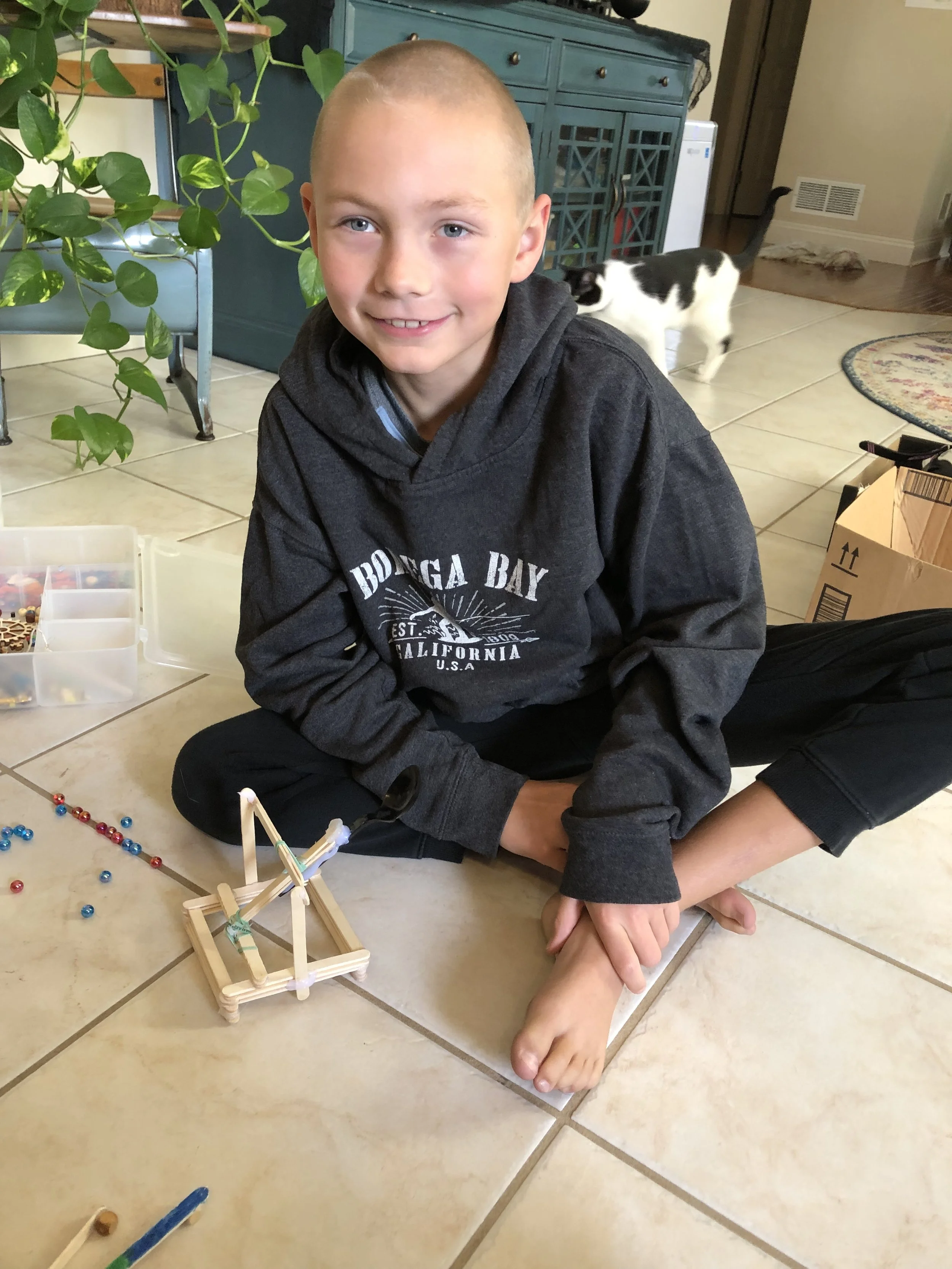
Fun little catapult he built with STEM skills!
We recently stumbled upon Innovators Tribe, and my son is eating it up! He started with their Exploring Technology & Innovation course for grades 3-5 and flew through it in a few weeks.
We have since bought their course bundle with courses for grades 6-12. Despite the higher grade level suggestion, he's taking the Robotics and Automation class and doesn't find it too complicated or overwhelming.
This isn't sponsored; we genuinely love it!
He’s done the coding classes with Khan Academy and found them to be a bit dry. He’s still a little kid - he needs more excitement!
Independent and Highly Engaging Content
The classes are all online, pre-recorded videos, and he's completely independent - he’s a 4th grader.
He scrolls through slides, watches the videos, and follows the prompts. Various lessons have hands-on components that have him create with everyday household items.
For example, in the first course alone, he created a paper bridge and a grabber arm and took off with creating on TinkerCAD!
Yes, my 10-year-old is designing and using CAD software. Mind blowing! I didn't learn about CAD until I was in high school!
A note on customer service - it's awesome. I have emailed a few times because a code wasn't working, and I have gotten timely responses every single time that answered my questions and fixed any issues.
Buy During A Sale
I bought their bundle at the beginning of the school year, and it was all on sale. There was even a bonus discount code to add to the sale price.
Honestly, I wish curriculum providers ditched the sales and promo code system and were simply affordable year-round. Homeschoolers need a budget break! It's not budget-friendly to buy a bunch of curricula all at the same time.
Also, I find that many times when we need to find a new curriculum, it doesn't align with back-to-school or Black Friday sales times - it's when we're in a mid-year slump and need a boost!
Take the Leap into STEM Education Today!
Embrace the world of STEM and witness your child's imagination flourish. The journey to creating young innovators begins with a single step. So, why wait? Dive into STEM education today, and let's ignite the spark of curiosity, creativity, and critical thinking together.
More Science & STEM posts to check out!


Check out this awesome list of secular science curriculum options for your homeschool!