Awesome Secular Science Curriculum Options for Homeschoolers to Check Out

Are you looking for Science or STEM, perhaps? If you've come for science options, scroll on! If you're looking for STEM-related content and curriculum, check out my post all about STEM and homeschooling!
Exploring the World of Science: A Guide to Secular Science Curriculum for Homeschoolers

Secular Science Curricula As Evidence-Based Teaching
First and foremost, secular science curricula provide evidence-based content while encouraging critical thinking skills and scientific literacy. This is especially beneficial for those wanting a non-religious homeschool education or wanting to separate academic and religious education.
Some people just want neutral science - that's the niche that secular science curricula fill. You won't find intelligent design in the following homeschool curriculum suggestions.
Check out our secular language arts curriculum choices!
Supporting A New Wave Of Secular Homeschoolers
Secondly, there's a growing community of secular homeschoolers who want unbiased scientific materials for teaching. The culture of homeschooling is changing! There are so many of us families that came to homeschool for reasons other than religious reasons and don't want a faith-based curriculum!
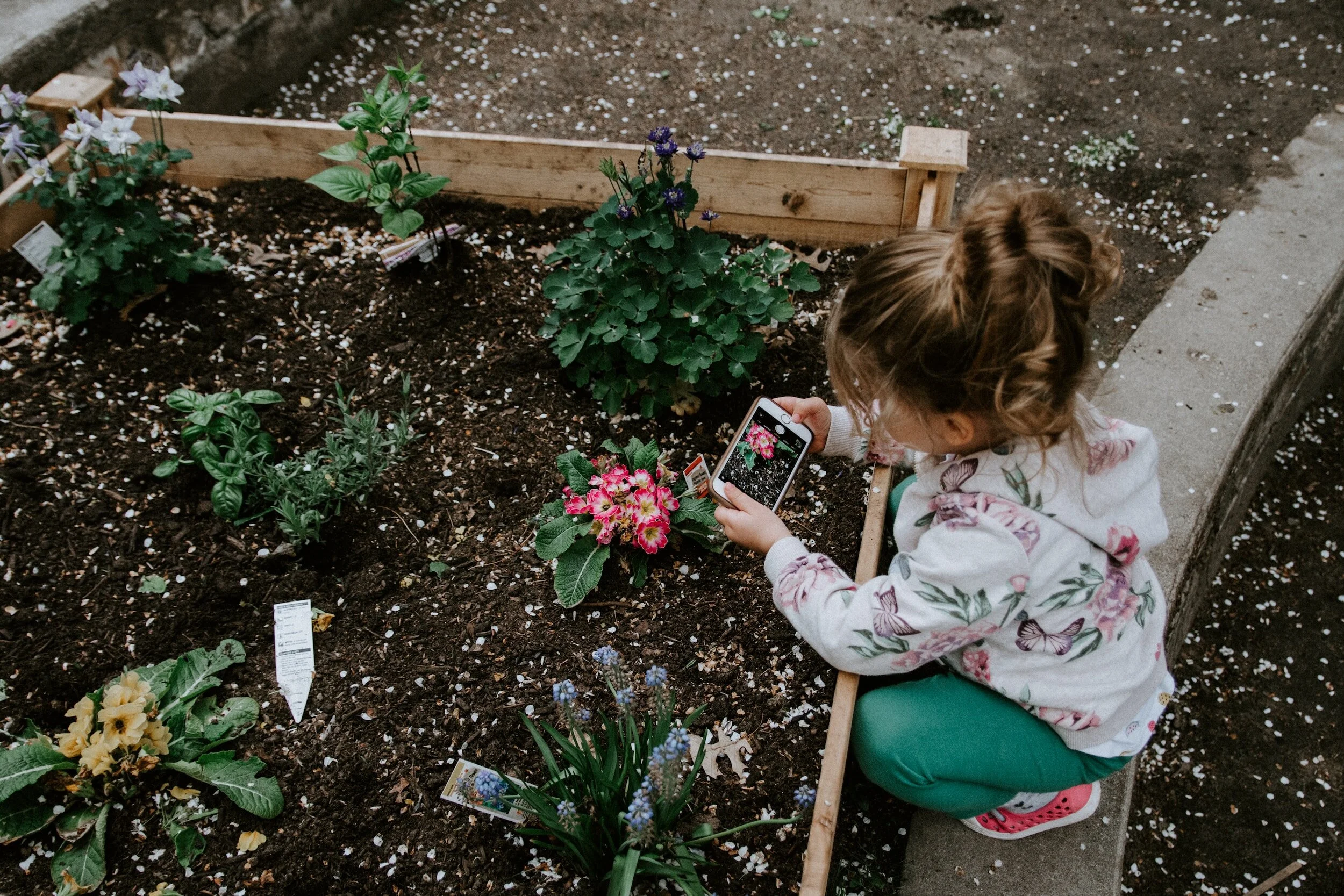
Have you tried the SEEK app? My son loves it for identifying bugs and plants!
Resource Lists Save Homeschooling Families Time!
And lastly, having a resource list readily available can save homeschooling parents massive amounts of time and effort when it comes to finding the right curriculum and materials. Sift less, live more.
Let's dig in!
Top Secular Science Curriculum Options for Elementary Homeschoolers
I'll start with the ones we have personally used: BFSU I and Real Science Odyssey. Both are great. We also supplement with online videos from Mystery Science and Generation Genius, which I include in the section for online classes and video platforms.
Real Science Odyssey (RSO): This engaging, activity-based program covers life, earth, and physical sciences. The RSO provides hands-on experiences and incorporates lab experiments to enhance understanding. Ideal for K-5 students who love interactive learning.
RSO has elementary science courses covering:
Building Foundations of Scientific Understanding (BFSU): BFSU provides a comprehensive introduction to all key areas of science. It encourages critical thinking and the development of problem-solving skills. Perfect for K-5 grades, it gives a thorough understanding of scientific concepts.
BFSU is impressive and very thorough. We used it for the first years we did science, but then I eventually got overwhelmed with the planning and the content, so we switched to Real Science Odyssey. But if you want probably the MOST comprehensive secular science curriculum, BFSU is IT.
BFSU is broken into three books covering K-8th grade science.
Building Foundations of Scientific Understanding I (K-2nd)
Use this companion book to save your sanity! Early Elementary Science Education (the companion for BFSU Level I) It is the closest to open/go that BFSU will get! This book is specifically for Level 1, so it will give you a solid foundation even if you switch curriculum later on.
Building Foundations of Scientific Understanding II (3rd-5th)
Building Foundations of Scientific Understanding I (6th-8th)
Science Connections Through Inquiry: This is a lot like BFSU, a spin-off from the original content but lacking the same depth and planning confusion that BFSU has. I've read on the Facebook groups that some marry the two curricula, using SCI pacing with the BFSU content.
If your child enjoys comic books or graphic novels like mine, Science Comics may be a good fit for supplementing your secular science homeschool curriculum. It's a series of books on specific topics that combine the visual appeal of comics with educational content.
Science comics offer kids a fun and independent way to learn about various scientific concepts. From cats and dogs to physics and biology, there are a ton of options to choose from based on your child's interests.
Science comics are a great supplement to traditional textbooks and can help make learning science more enjoyable for children who may not be as interested in the subject. Plus, they can serve as a gateway to further exploration and research on specific topics covered in the comics.
We are super lucky that we can get these from our local library. If not, you can find them on Amazon as new and used editions.
Elemental Science: This curriculum combines formal and informal science education practices and is designed for K-5 students. Elemental Science incorporates scientific theory and hands-on experiments, making learning fun and informative.
They actually have various styles and series to learn science from, such as classical to lap books and literature-based science curriculum options.
I have not used this curriculum but have been so tempted to check out the Sassafras Science Adventures!!!
Sassafras Science Adventures is a one-of-a-kind science curriculum by Elemental Science. Using storytelling to introduce a wide range of scientific concepts, they found a way to captivate and engage kids without a classic science curriculum.
Through the adventures of Blaine and Tracey Sassafras, kids explore branches of science like zoology, botany, and earth science. Each volume goes deep into a specific branch, ensuring a thorough exploration of important topics while including practical activities woven into the narrative, giving your children a chance to apply what they've learned.
Science through story! We'll see how long I hold out before trying it...
Nancy Larson Science: As the same creator for the Saxon Math curriculum, this is a complete curriculum for elementary grades K-5 with everything you need in a box. It's open and go! Complete with lessons, labs, lab materials, and books, it is a great way to buy one item and have everything you need for hands-on learning without relying on any screens for lesson delivery.
Evan-Moor Science: Known for its easy-to-use format, this curriculum provides daily practice of scientific concepts for elementary students. The lessons are well-structured and emphasize the development of scientific vocabulary and reading comprehension.
Some may scoff at my including these simple workbooks for teaching science, but I include them because not everyone wants to dive deep into science! Evan-Moor books are generally a good way to expose students to what they need to know.
Singapore Science: Another workbook option! However, the publishers have a better reputation for rigor than Evan-Moor, thanks to their successful math programs. This curriculum is based on the highly successful Singapore method. It provides a well-structured and thorough coverage of scientific concepts, focusing on applying science to everyday life.
TOPS Science: This old-school secular curriculum is unique in its approach. It offers topics in small, actionable chunks. It has a variety of science topics for grades K-12 and is known for its hands-on approach to learning. TOPS Science provides in-depth investigations and experiments, making it awesome for students who love practical learning.
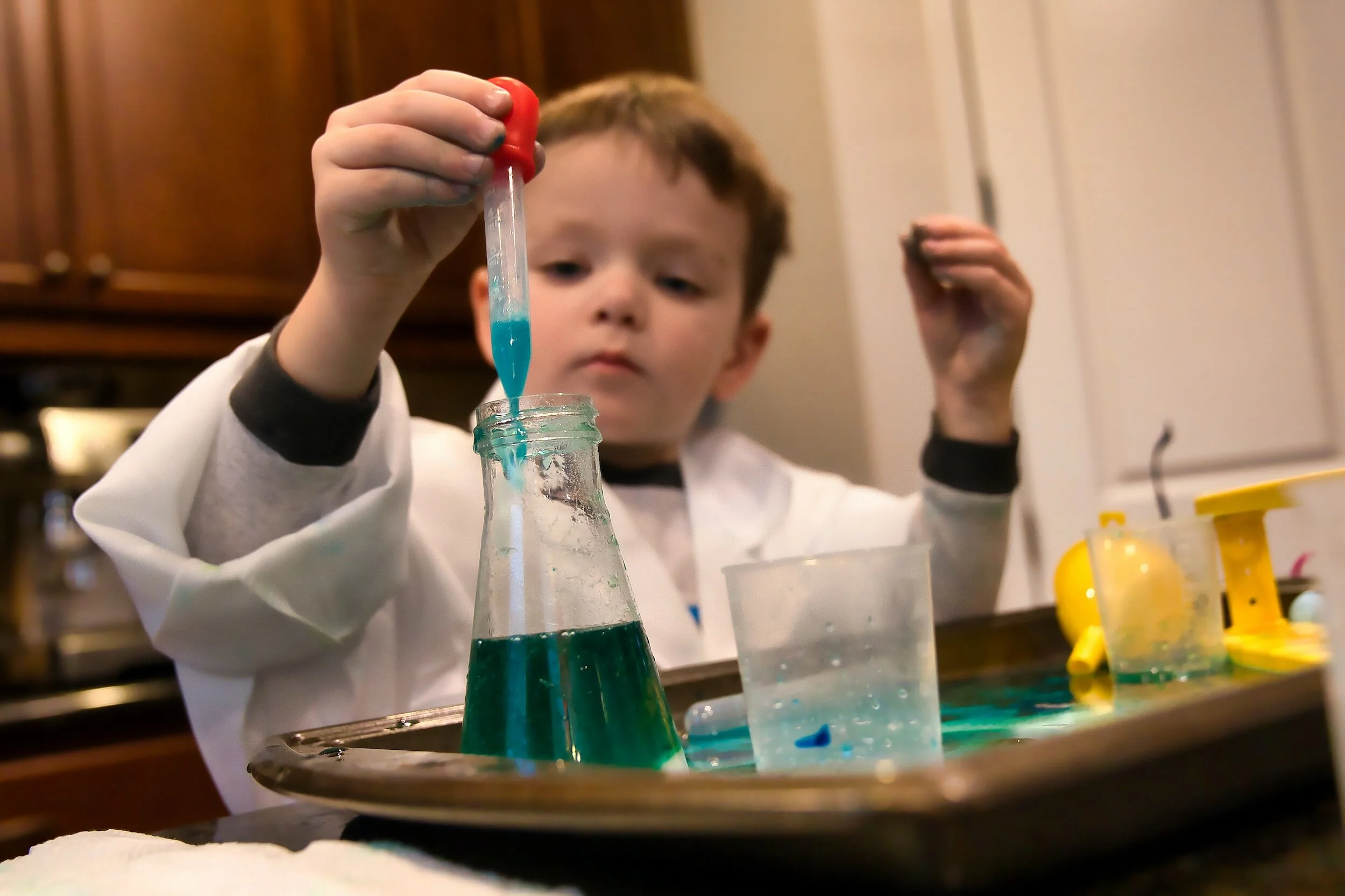
NOEO Science: NOEO stands for "Neo-Classical Education Options" and focuses on a classical approach to science education. It offers literature-based science lessons for grades 1-9, with hands-on experiments and activities included. These secular science options are great homeschool resources for Charlotte Mason homeschoolers who love living books and literature based curriculum!
Inquiry in Action: This free online curriculum is ideal for grades K-5 and focuses on teaching students how to think like scientists. It encourages inquiry-based learning and provides hands-on activities and experiments to engage students in real life science and scientific discovery. The platform is a great resource, full of lesson plans and activities.
Secular Science Curriculum Options for Middle School Homeschoolers
I don't have any middle schoolers yet... The only middle school science we have used has been Khan Academy's Middle School Earth & Space Science. My son liked it, but it was rather dry. For being gifted, he'd rather do "fun science" at grade level than learn the higher level concepts. So, we follow the child, and fun it is :)
Here are some well-respected middle school secular science curriculum options that I know of.
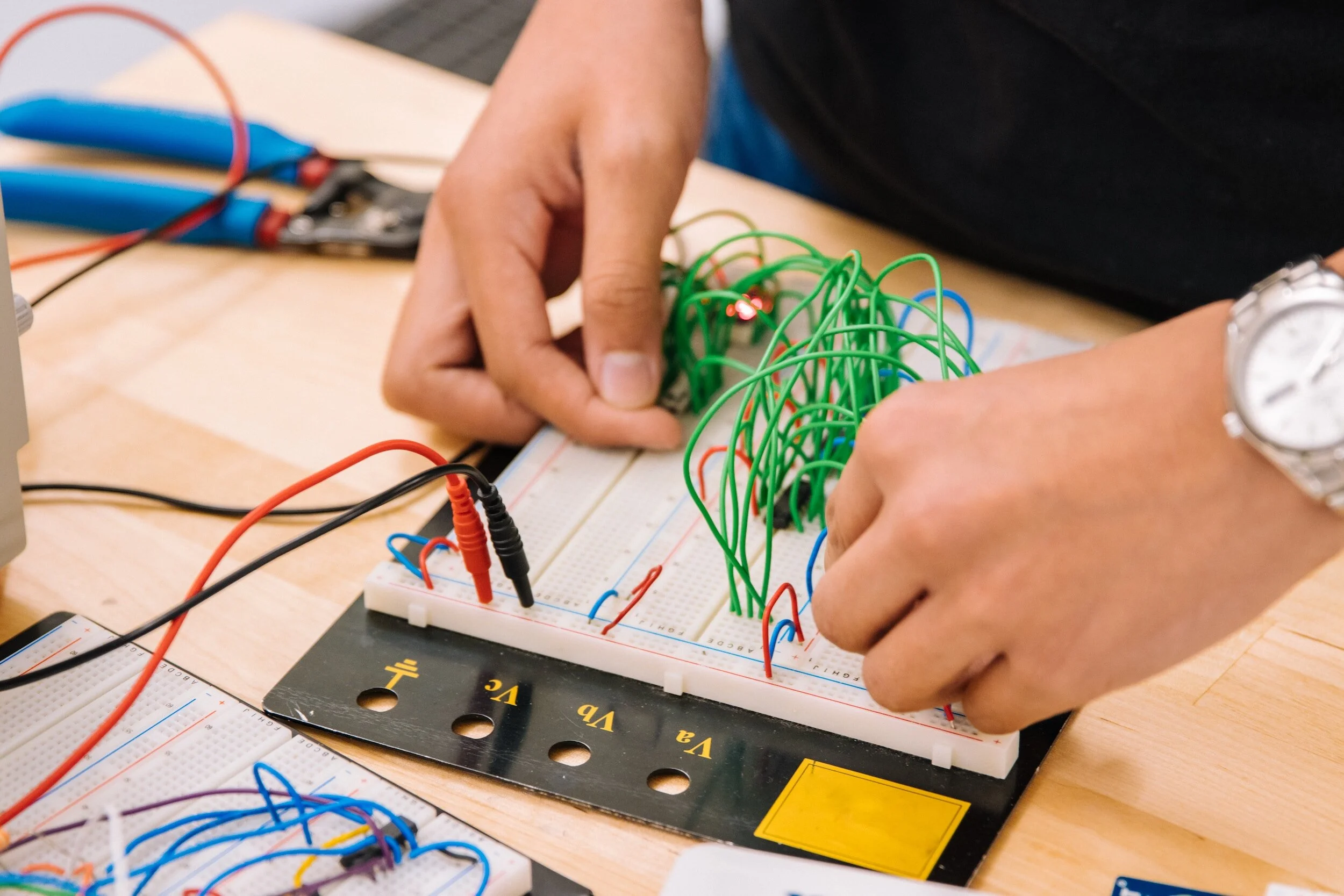
What do your kids like? Read about how much we love Innovator’s Lab for STEM learning!
Real Science Odyssey Level 2: (Pandia Press) This curriculum for grades 6-10 has options for Biology 2 and Astrology 2. They are much more work intensive than their 1st-5th grade level coursework.
Holt Science & Technology: Want textbooks? Here you go! This series of textbooks covers core scientific concepts in a way that engages students while giving exposure to textbook learning. I've read that each book includes interactive features, hands-on activities, and assessments to help kids master the material. As a bonus, you can generally find these books used for cheap on Thiftbooks!
Mr. Q's Life Science: Mr. Q offers what looks to be a fun, affordable way to learn life science! There are free PDFs to download and a variety of topics covered by this real-life high school science teacher. It would appeal that his passion is for making accurate and engaging science accessible to everyone - love that!
Online and Video-Based Secular Homeschool Science Curriculum Options

Mystery Science: This online interactive science program for K-5 students includes video lessons, quizzes, hands-on activities, and experiments.
My kids love Mystery Science and will binge on their mini-lessons in their free time!
Generation Genius: This K-8 online science curriculum features interactive video lessons aligned to Next Generation Science Standards.
We also love these video series and find them more engaging than Mystery Science. Think of Mystery Science as fun and Gen Genius as exciting. I love that each lesson has an online Kahoot! quiz that checks for their understanding in a fun way!
Khan Academy: Khan Academy offers free online courses in various science subjects for all grade levels. The lessons feature videos, practice exercises, and tests.
I like that Khan Academy has reliable, secular information but can be relatively dry. For topics beyond my scope of explanation, Khan is a solid, free choice to plug into.
Conceptual Academy: This online resource provides self-study science courses for middle and high school students. The courses cover various topics and aim to foster a deep understanding of scientific concepts and principles.
Supercharged Science: This online video-based curriculum covers K-12 science topics emphasizing fun and interactive learning experiences. They really emphasize that they can teach your kids science without you, so if you need independent learning, Supercharged Science would be one to check out.
Science Mom: This YouTube channel offers hundreds of free, hands-on science videos for kids of all ages. It covers a wide range of topics and encourages curiosity and critical thinking skills.
You can also buy complete science courses on physics, biology, and chemistry from her website.
Crash Course: This YouTube channel also covers science and is always a favorite way for kids to learn! You really can't go wrong with this YouTube channel for any of their topics.
Middle School Chemistry (.com): This free resource provides a comprehensive middle school chemistry curriculum, complete with lesson plans, activities, and videos - for free! It is designed to be accessible and engaging for homeschooled students and the middle school counterpart to the above mentioned elementary-level Inquiry In Action resource.
Conclusion
When choosing the best curriculum for your homeschooling journey, feeling overwhelmed is completely normal. With so many excellent resources available, it can be a daunting task!
It's fantastic how many choices we have for secular science options!
Whether you prefer a more classical approach, hands-on experiments, or fun and engaging video lessons, you'll find options that cater to your family's interests and learning style.
We have successfully combined a few of the above science resources for an excellent multi sensory approach to learning elementary science that doesn't overwhelm me. I feel like my kids are getting a solid foundation with our chosen homeschool science curriculum.
They love science and learning - isn't that the goal of any homeschool mom? Happy Homeschooling!
What are Your Favorite Secular Science Resources?
I've shared some of our favorite secular science resources here, but I am always looking for new ones!
Do you have a favorite secular science curriculum, online resource, or hands-on experiment guide that you use in your homeschool setup?
I would love to hear about them! Please share your suggestions in the comments below.

More Posts on Homeschool Curriculum