Keeping Homeschool Records: Organizing Your Paperwork
Overwhelmed by the thought of keeping track of your homeschool year? Don't worry - you're not alone!
Homeschooling can be a fantastic way to personalize your child's education, but it also comes with unique challenges. One of these oft-overlooked hurdles is dealing with the necessary paperwork that accompanies home education: record-keeping.
Not only is this task vital in some states (many require an annual evaluation, transcript, or portfolio), but good record-keeping helps to create structure and can provide motivation.
Keeping good track of your child's progress also gives you peace of mind knowing that you provide a thorough and well-balanced education.

Keeping adequate homeschool records keeps parents on appropriate pace with what children should be learning and when.
In this blog post, I'll fill you in on ways to effectively track your homeschool attendance and hours and cover important topics such as planning, legal requirements, and examples of trackers. Scroll to the very bottom for free download links to the homeschool record keeping printables I use.
Grab yourself a cup of tea and let's get started - here's everything you need to know about homeschool record keeping!
Adopt a System That Works For You - Understand your homeschool goals, the type of records you need to keep, and what tracking methods suit you best
As a homeschooling mom, I understand the importance of adopting a system that works for you. Every family's homeschool journey is unique, and it's essential to understand your homeschool goals to know how to keep the necessary records.

Organization is key! Keep track of your goals and celebrate when you reach them!
Know Your Homeschool Goals
What are you looking to accomplish by homeschooling? Of course, this varies widely by family and affects how each family approaches homeschooling their kids - from unschooling to classical, eclectic to Charlotte Mason; there are a million different ways to go about your homeschool journey. Still, you must know what your end goals are.
Want to transfer by high school? Graduate your child to college or thinking about trade schools? Perhaps homeschooling is temporary and you’d like to eventually enroll your child in a private or charter school.
They will all want some sort of report card type document that establishes where they are academically. Colleges will definitely want high school transcripts that record units or credits.
Homeschooling is hard work! Have purpose and goals - don’t just flounder about!

Get those goals!
Keeping records of your child's progress helps identify what's working and what needs improvement. It also provides a sense of accomplishment as you track all your child's progress over time.
When you track your goals, you can clearly see if you are accomplishing what you set out to do. If you're seeing growth in your children, fantastic! If not, it's time to reflect and pivot with your homeschool plan.
Know What Your State Requires
You should know what your state requires for a legal home education program. State requirements vary widely, so I suggest checking HSLDA and recommend creating a checklist of what records you must keep track of over the school year.
The main point of your homeschool record keeping is to address what's required by law.
For example, for homeschooling in PA we must file a notarized affidavit with proof of medical services such as dental and immunization records and a list of objectives for our core courses, amongst other information, with our local school district.
While these forms are not required for the end of the year student portfolios, you need to keep records of each year’s filing in case your homeschool is ever questioned by the state.
We are also required to give our kids standardized tests in grades 3, 5, and 8. Again, more paperwork to keep track of to show proof of your child completing this requirement.
Recognize Your Organizational Skills & Find A Tracking Method
There are several tracking methods, such as digital, paper, or a combination of both. The critical part is to find a system that suits you and makes homeschooling fulfilling for everyone!
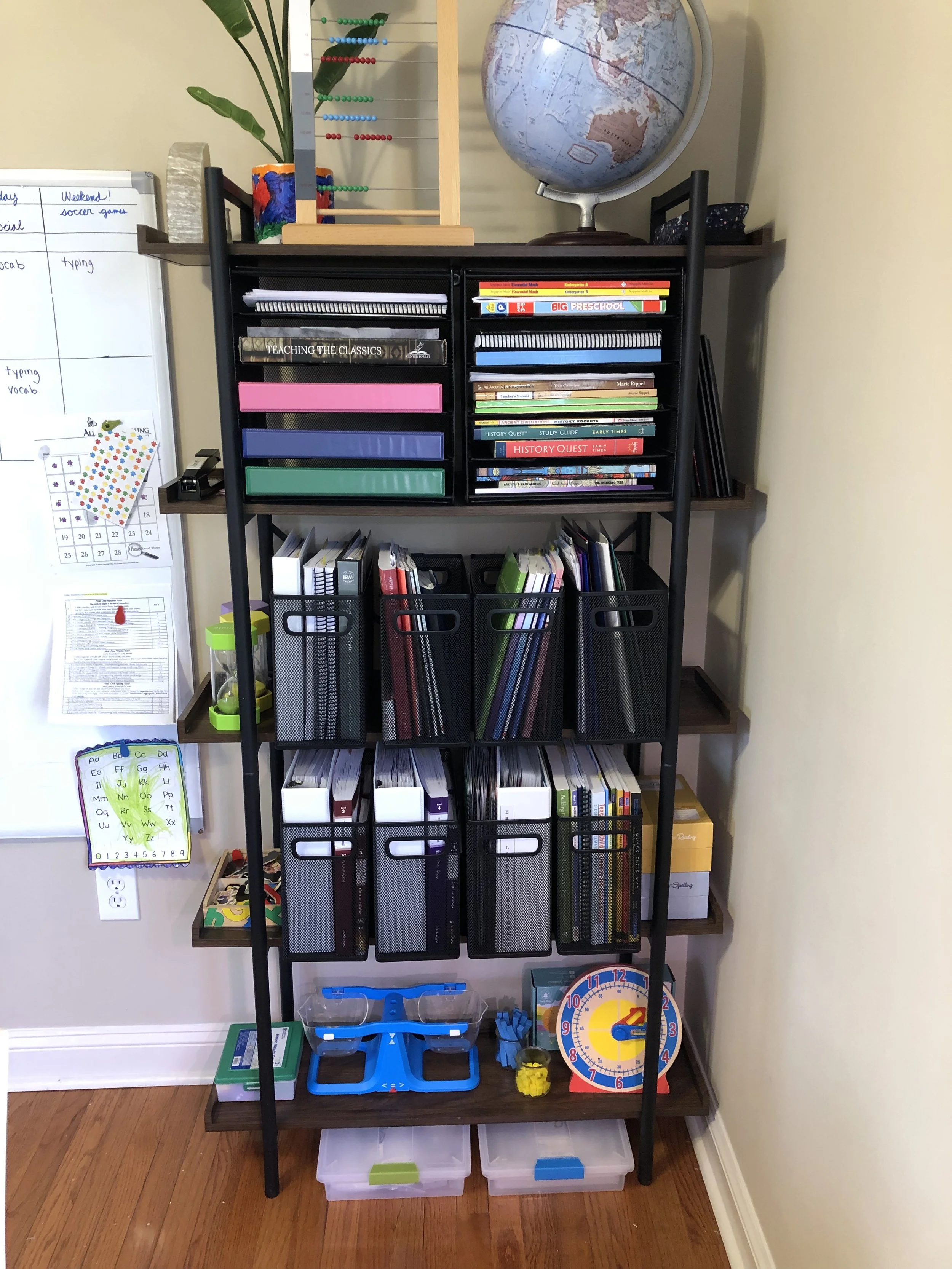
This is our homeschool shelf! It keeps the curriculum organized by topic or child. The blue, green, and pink binders are where I keep track of each child’s school year for their legal documents (testing) and portfolio requirements from our evaluator.
Finding the right system takes time, so have some grace for yourself. Don't be afraid to make changes when something isn't working!
I am a paper & pencil kind of mom, so I have yet to venture into the digital record keeping world. However, that's not to say that one day I won't need to go with something digital to organize our homeschool record keeping! Down the road, that may be a better fit for our family!
Establish a Routine - Set up a routine for tracking your homeschool hours & be consistent
An established routine is a parent's best friend when it comes to homeschooling, especially if you have more than one child! By putting aside time into your homeschool schedule for tracking your hours, attendance, and reading lists, you can ensure consistency and avoid feeling overwhelmed at the end of your school year.
Daily Record Keeping Habits
Whether it's marking off completed assignments or logging attendance, make it a habit to incorporate this task into your daily lesson plan. The key is to find a time that works best for you and stick to it.
I have a homeschool attendance sheet that has 180 days that I mark off for each learning day. I mark the day we begin and the day we end. Keeping track of 180 school days is required for our portfolio review for the state of Pennsylvania.
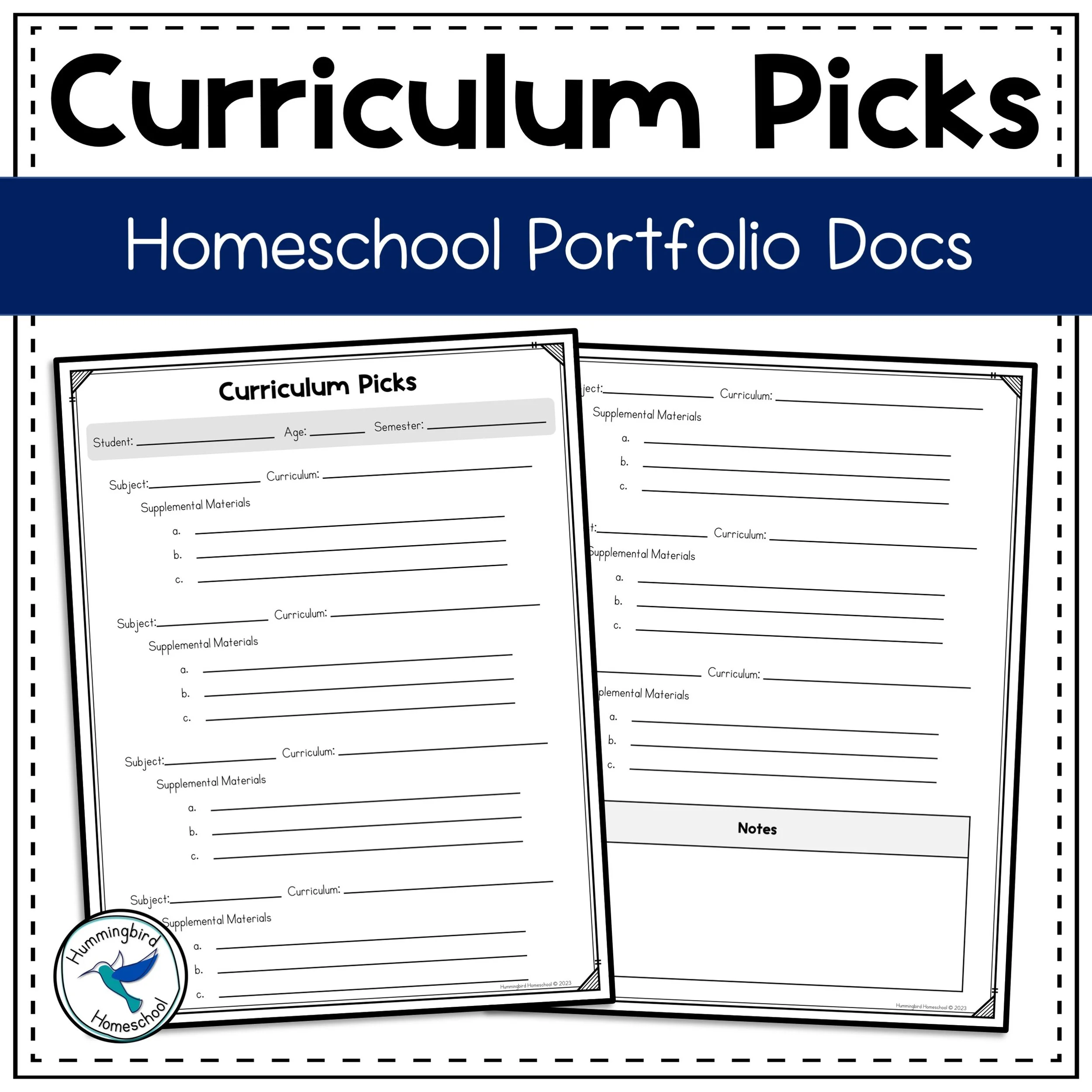
I created some other homeschool record keeping printables that I use to write down our curriculum for the year for each subject we cover. I keep my record keeping forms in a homeschool binder. Each child has their own binder because they don't always follow or participate in the same enrichment programs or co-ops.

Monthly Record Keeping Habits
Every few weeks of teaching, after a month or so, I quickly reflect on our curriculum picks for each subject. If it's going well, we keep going. Keeping a homeschool log is fantastic for allowing me to see how it's going from an over-arching perspective rather than react based on in-the-moment feelings that we moms can get overwhelmed with.
I also record field trips, books read, and unit projects on a monthly basis so that I don’t forget them over time.
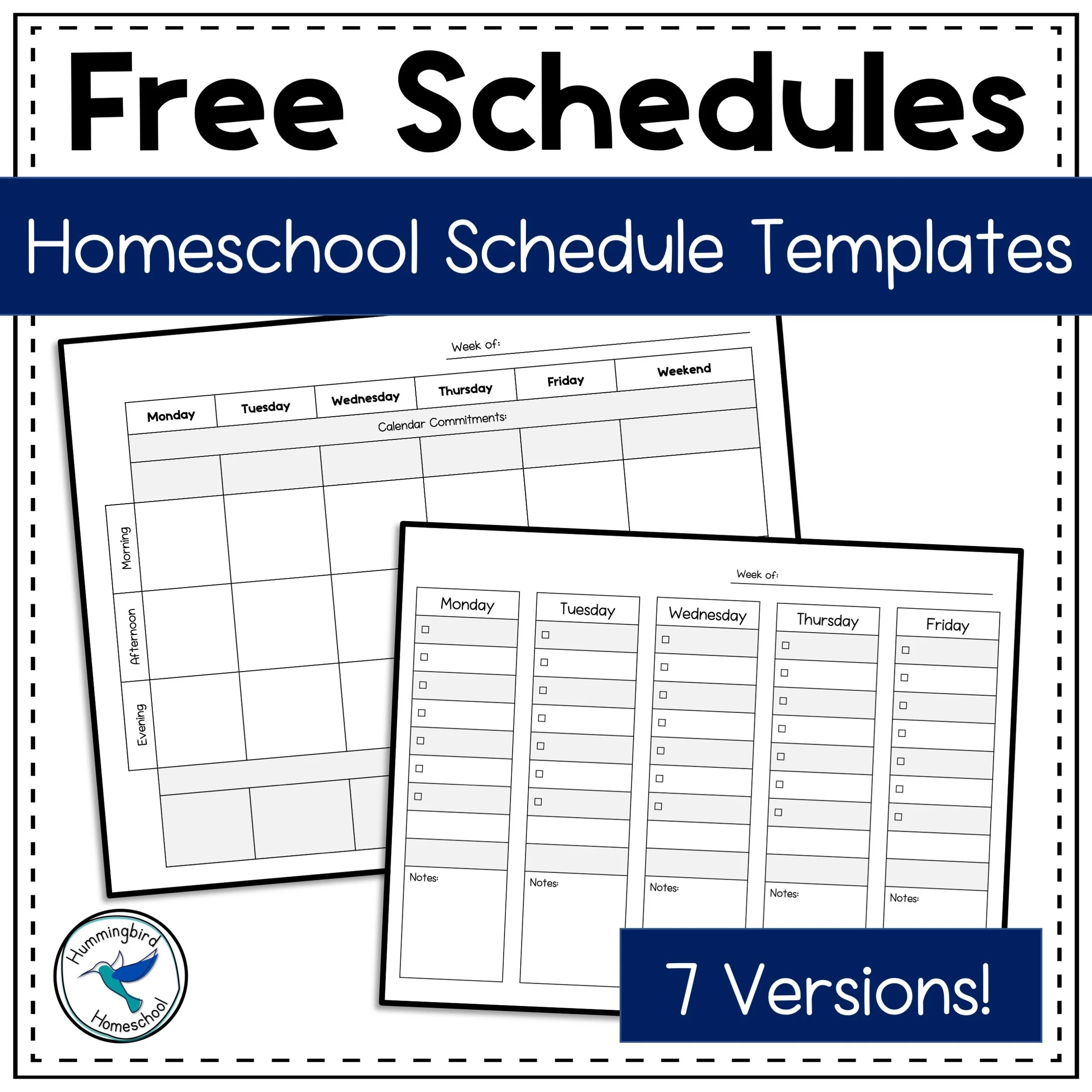
This is all easy enough to manage when you incorporate the time into your lesson planning and creating your schedule. Pop 10 minutes into every 3rd Thursday for record keeping. Check this post for some effective homeschool schedule strategies.
Download this for free!
Remember, creating a routine may take time and effort, but the benefits will pay off in the long run. So stay committed, and stay consistent! Soon enough, tracking your homeschool hours will become second nature.
Utilize Technology - Making use of technology by keeping records on an app or spreadsheet for easy access & tracking
Utilizing technology might be a better way if it makes keeping records and tracking progress easier for you. Whether you prefer using an app, google drive, or a spreadsheet, storing your information electronically can provide easy access and organization.
An online homeschool might do these record keeping tasks for you - that is something you’d have to look into if you’re part of a program. I would assume they keep records and possibly have progress reports along the way, just as traditional schools would. I believe there might be a homeschool hour tracker app if that’s something that seems necessary to you.
While I prefer to write everything down, I do keep organized folders on my computer for files that we use year after year. This includes the backbone of our portfolio, such as a reading log for each kid, our record of field trips, and the curricula used.
Technology can definitely save you time and energy. I might consider it down the road as we get into high school transcript or report card territory. Give it a try and see if it streamlines your record-keeping process!
Have Fun - Incorporate fun into your tracking system, such as making graphs or charts to visualize progress
Making progress towards goals is exciting! There's no need for forms and paperwork to be boring. So why not add some pizzazz to your tracking system?
You could create a colorful graph or chart to represent your child's progress visually. For example, our reading curriculum has awesome lesson charts that we mark off for each lesson that they complete. It is fun and motivating for the kids to see their progress with the curriculum. Check out this post to see our secular Language Arts Curriculum picks.
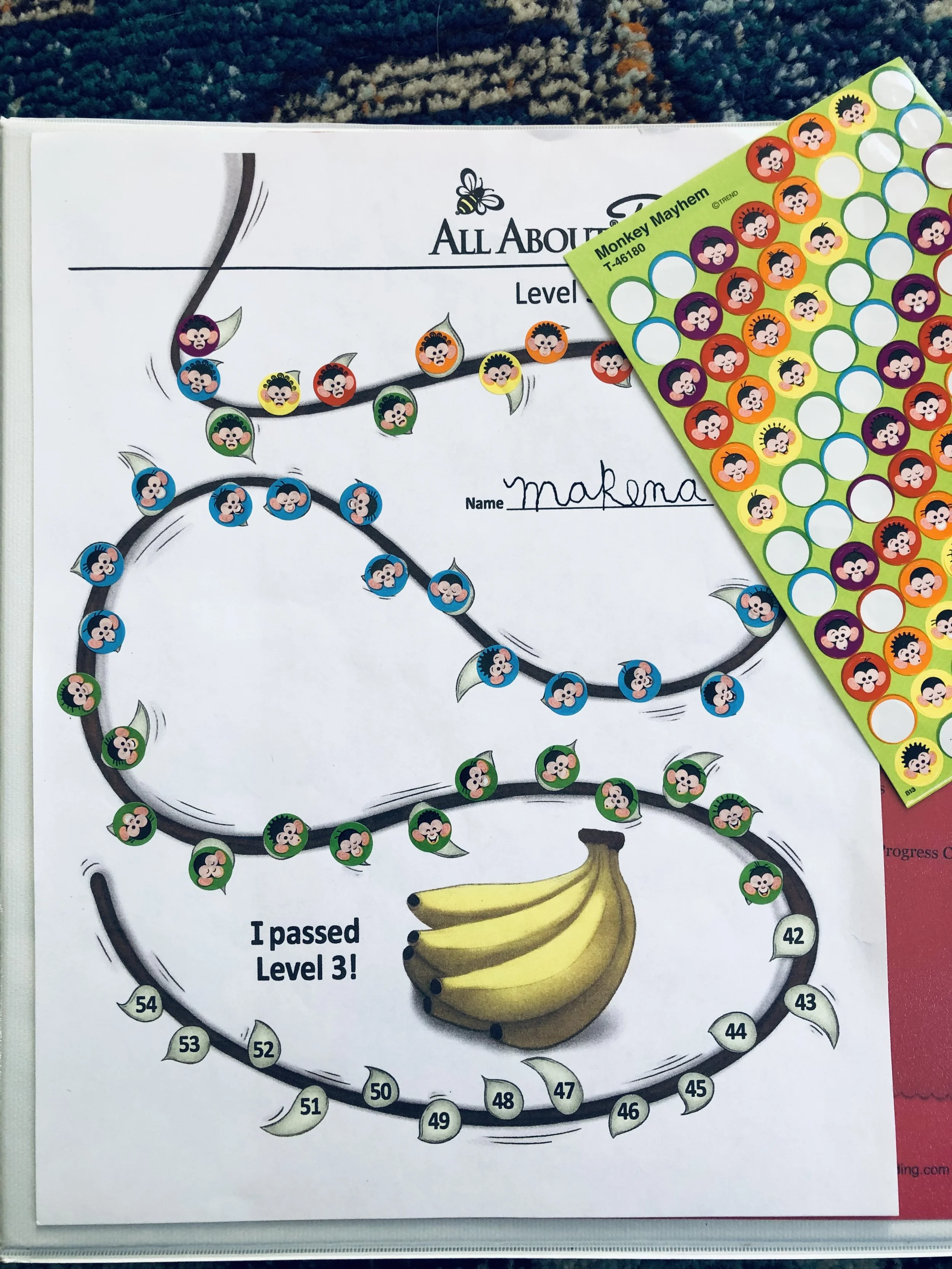
This is the All About Reading Level 3 Lesson Tracker - I’ll pop this paper into the end of year portfolio binder & we’re done!
Some people create photo scrapbooks that work as record keeping portfolios and keepsake books! I've never done this personally, but it would be a wonderful yearbook for my children to look back on.
Track Progress & Celebrate Achievements – Record successes so you can reflect on how far you’ve come.
As moms, we know the importance of celebrating achievements—first steps, first words, riding a bike, a lost tooth, etc. By homeschooling our children, we can celebrate our children's academic milestones as well!
It's not just about the hours we put in but also about the milestones we reach. These accomplishments should be recognized and celebrated, whether learning a new skill, achieving a personal best, or overcoming a challenge.

Celebrate their milestones! We recently got ice cream for finishing a reading level and my daughter chose to literally toss her math workbooks out the 2nd floor window, lol!
Think about their public school counterparts who earn stickers and rewards for 100% on a test, or Honor Roll, or are recognized as Readers of the Week. We should celebrate our kids too!
Recording them not only allows us to look back and see how far we've come but also gives us a sense of pride and motivation to keep pushing forward. So let's remember to acknowledge and celebrate those big and small victories. Cheers to our achievements - both student and mom! It's our journey too!

Have An Organization System - Create folders, binders, or boxes to store all your paperwork in one place for easy access
When you homeschool, keeping everything organized can sometimes feel daunting. It can quickly pile up and become overwhelming between the curricula, the devices, lesson plans, lesson materials, activities, paperwork, and so on.
Use Organizing Containers
Creating folders, files, binders, or boxes specifically designated for homeschool paperwork is a game-changer.
I primarily use binders to record each child's school year. However, I do keep a digital folder for all of our end-of-year evaluations because we get these emailed to us from our evaluator. I print these and all digital communication with our school district and keep hard copies in a file specifically for homeschool record keeping.
Keep Everything In One Place
Having all your essential documents in one place allows you to quickly access them when needed without digging through a sea of papers. Plus, it's much easier to stay on top of everything and ensure nothing falls through the cracks.
Technically, I have our paperwork in two locations. One is accessed all the time and is with the general homeschool materials, and the other is accessed twice a year. The homeschool file is with all of our other necessary household paperwork, so there's no chance of my losing it.
It may take a bit of time to set up initially, but in the long run, it will save you a lot of stress. So, take some time to declutter and create a system that works for your homeschool.
Recap to Homeschool Record Keeping
Keeping good homeschool records is essential to stay on track with legal requirements and your homeschool goals. Once you find a groove, it's a piece of cake!
Find a recording system that works for you (paper, digital, or both)
establish a routine for recording information (daily, weekly, monthly, etc.)
have an organization system (use files, binders, boxes, etc.)
Bonus tips...
use technology when helpful,
have fun with it with charts, graphs, or other fun ways to measure
celebrate successes and achievements!
Homeschool Record Keeping Printables
These are the printables that we use for our homeschool records. I save these on my computer as a single file & print them out and use them as needed. Feel free to try them out and see if they work with your paper management style!
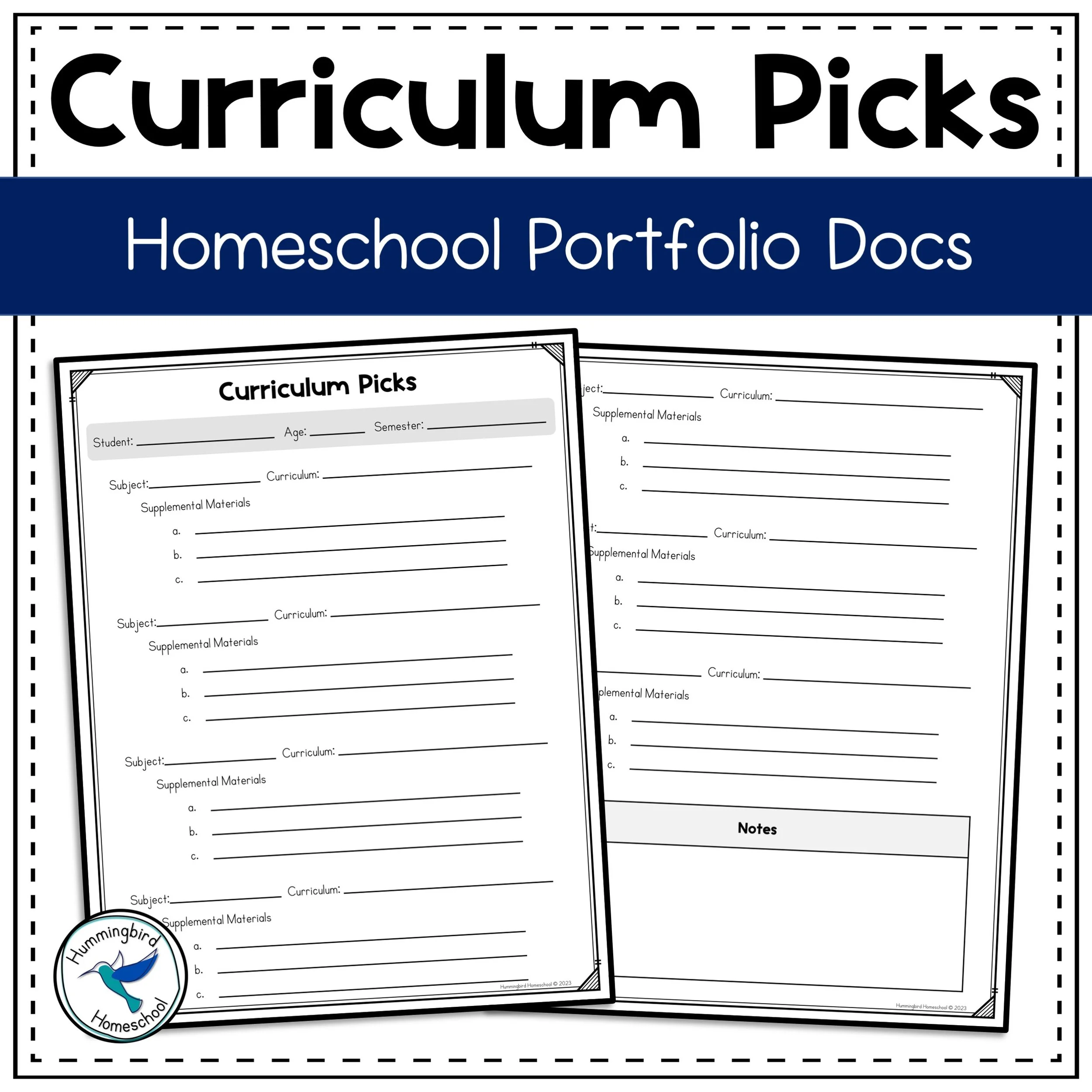
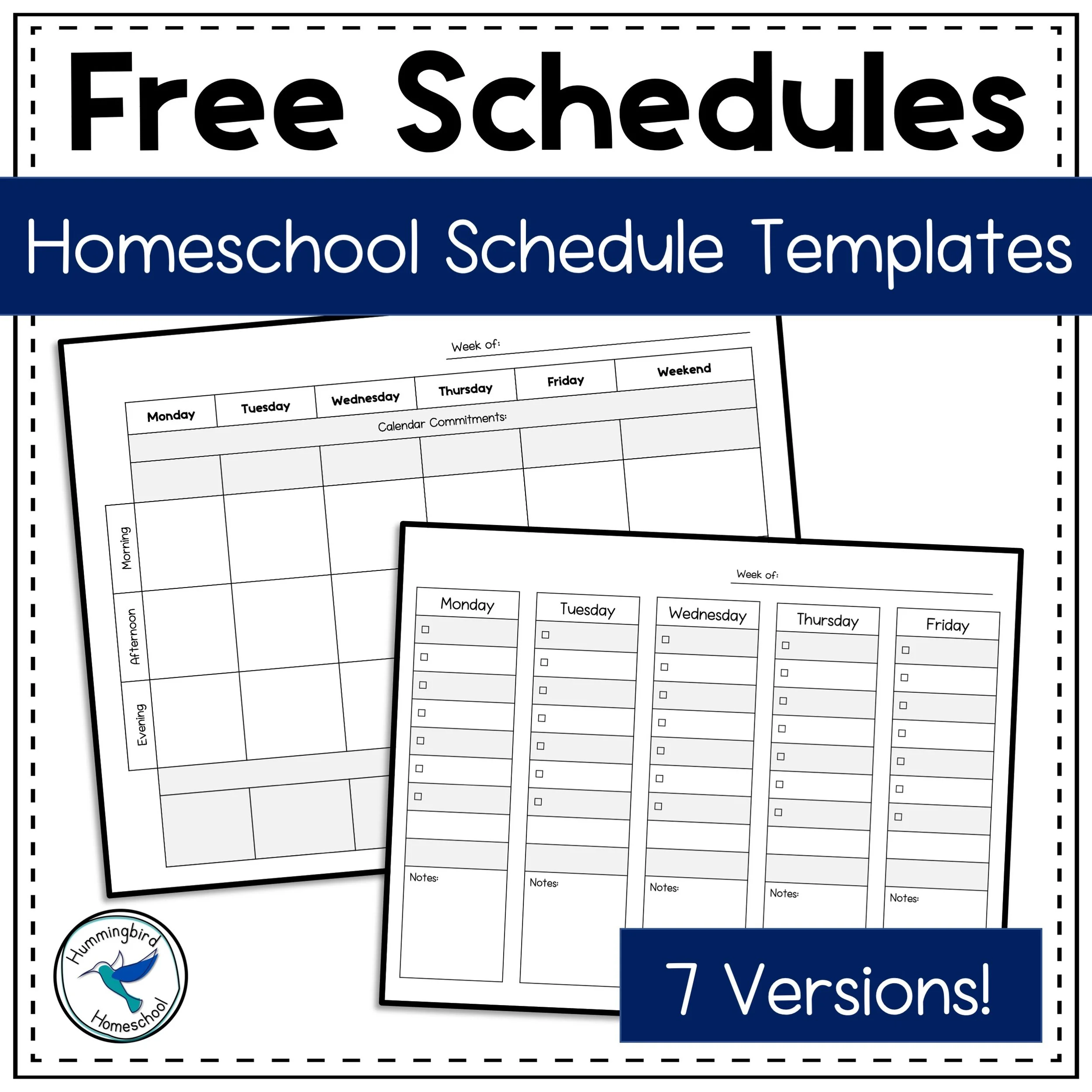
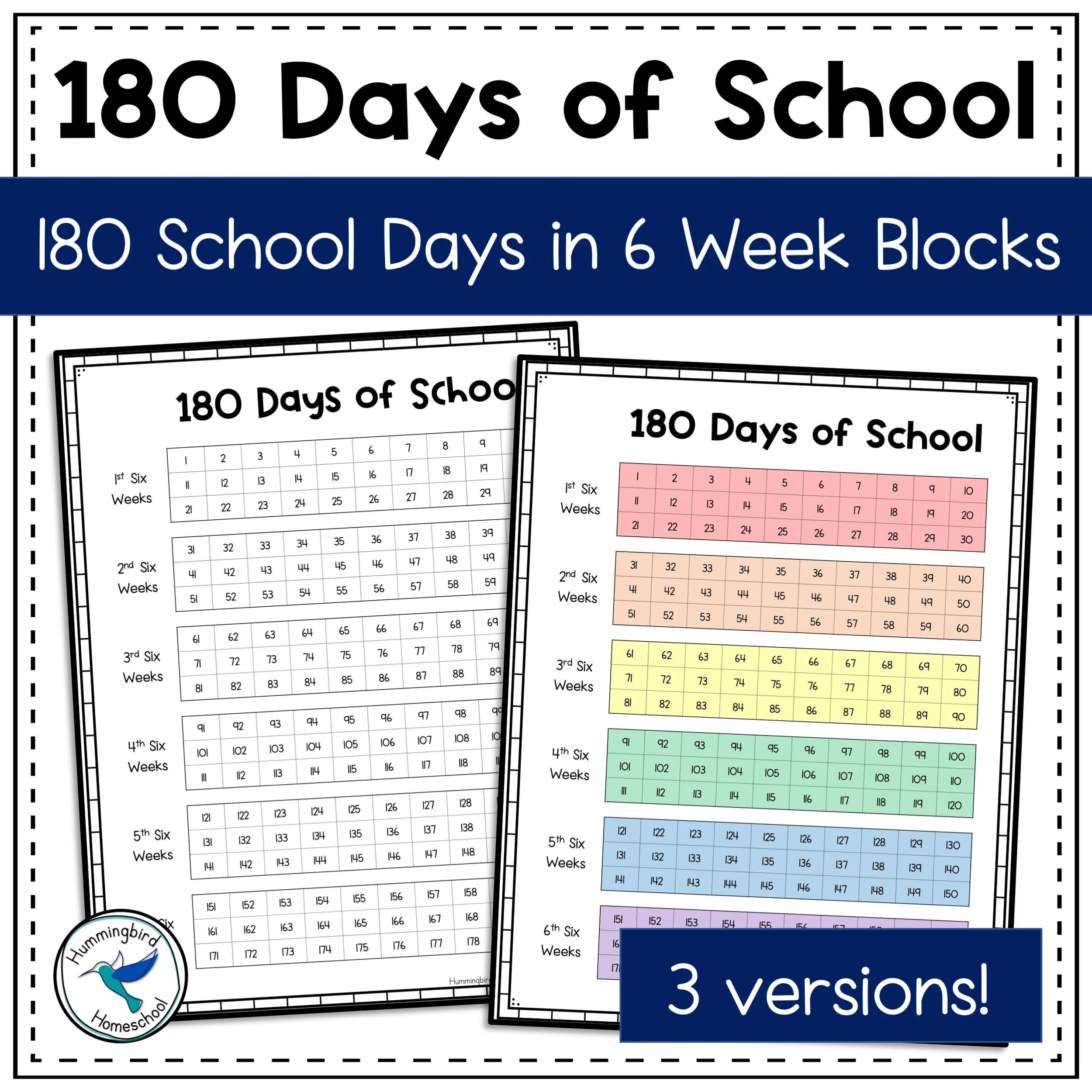
What's your system for keeping papers? Share your tips & tricks in the comments!
Fresh Posts to Check Out!