
Strategies for an Effective Homeschool Schedule

It can take years to find your groove and establish an effective homeschool schedule that aligns with your family’s pace!
I made sure this post is full of helpful advice on balancing your homeschool lessons with play, creating daily and weekly routines, and personalizing your homeschool approach.
I even touch on managing a single child’s curriculum vs. synchronizing multiple kids in the house.
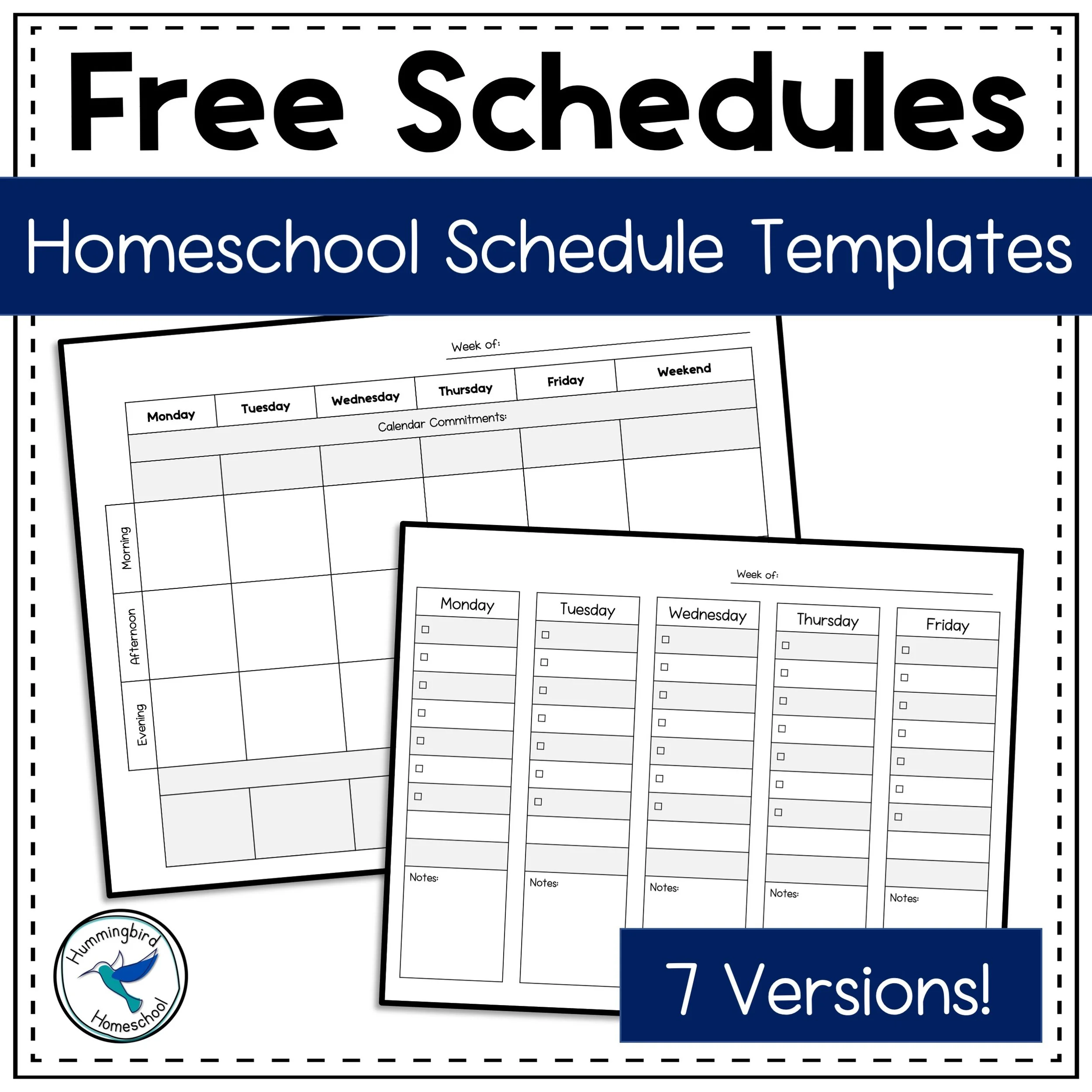
If you are looking for various homeschool schedules to print, you can check out my post on the various types of typical homeschool schedule like the loop schedule and block schedule. In that post I have printables for a weekly and daily homeschool schedules so that you can figure out the best homeschool schedule for your family.
Key Takeaways
Crafting a daily homeschool schedule that works for your family means finding the right mix of structured learning, relaxed periods, and daily downtime that suits everyone's needs.
Weekly planning can be key for ensuring you cover all educational bases while feeling accomplished and not stressed out. Sometimes yearly or quarterly is just too much!
Being adaptable with your homeschooling approach, to account for seasonal shifts, individual learning preferences, and unexpected challenges, can greatly enhance the experience for the whole family.
Crafting Your Ideal Homeschool Day
A well-oiled homeschooling day thrives on the right blend of routines, lessons, and downtime. From morning routines that kickstart the day, to academic blocks for structured learning, to downtime that balances everyone's energy, the key is to find a rhythm that resonates with your family’s unique needs.
Having a solid daily schedule that is consistent yet flexible is the secret to feeling on track; and not battling with overwhelm or self-doubt.
Kickstart Your Day
The pace of the day is generally set by morning routines. Whether it’s prepping lessons the night before, having morning chores time after breakfast, or starting with the toughest subject first, a strong morning routine can be a game-changer.
The start time will vary based on your family’s preference and daily homeschool schedule.
I am not a morning person. My kids wake earlier than I do, so by the time I join everyone, we usually have breakfast and start school between 8:30 and 9. To help with this, I write a list of topics the kids need to finish on our whiteboard before we get started.
While this might seem lazy, I consider it my "me-time" and self-care. Once I'm up, my day starts and I'm actively serving others and the household until I head back to bed at the end of the day.
We have a pretty relaxed schedule. Our routine is that the kids check the whiteboard for their list of subjects, and then we dig in. There are no set times for specific topics. There are some topics they can do independently, such as math, and others that they need to wait for me to initiate, such as spelling or our literature studies.
Academic Blocks: Structuring Effective Learning Sessions
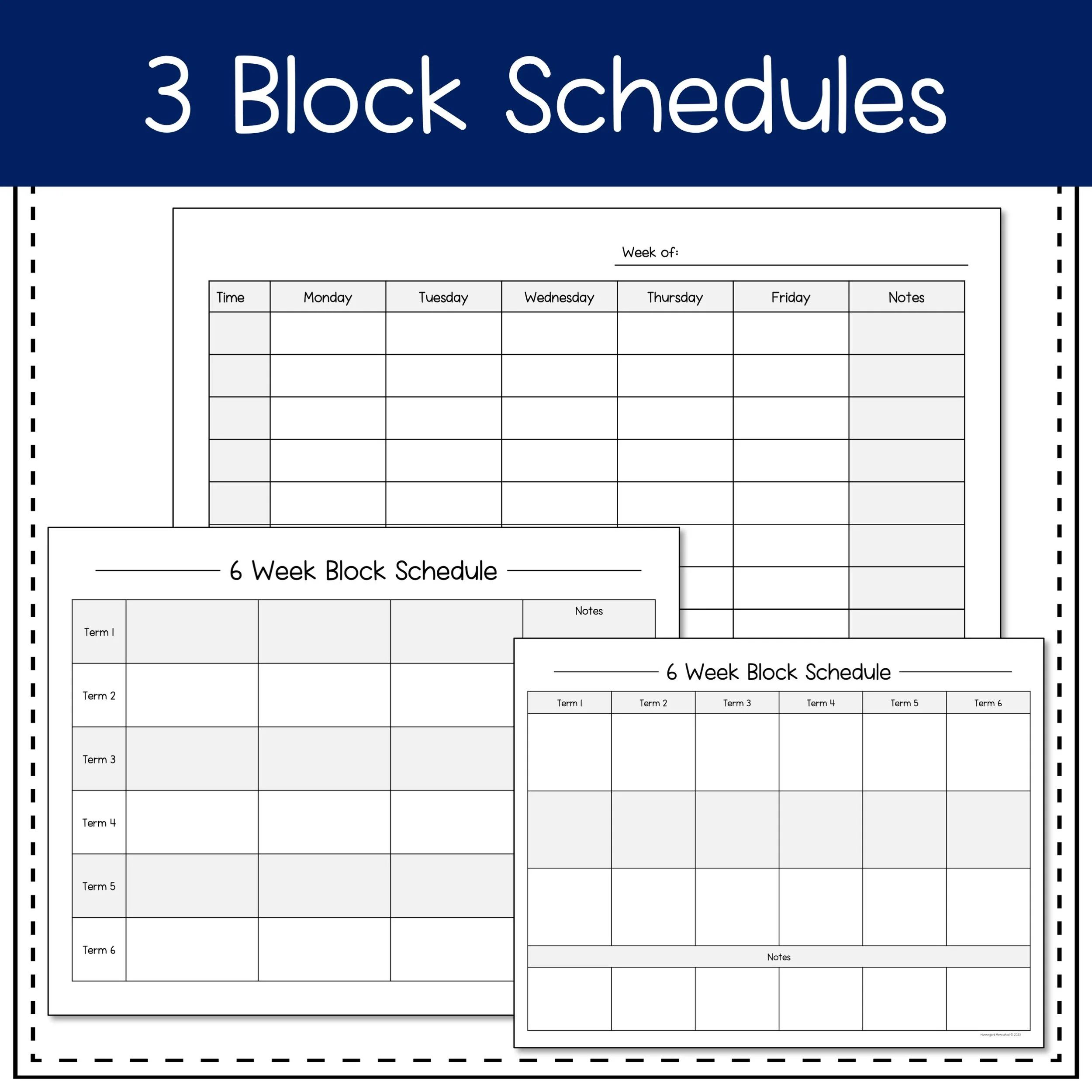
Have you ever thought about trying a block schedule for your homeschooling day? It's pretty straightforward – you allocate specific periods of time to each subject. This method can help you focus on one area of study at a time, giving it the full attention it needs. You can adjust the length of these blocks to fit into your existing routine.
You can also be way more flexible with a block schedule.
While some like to create specific blocks for specific topics, such as 9-9:45 math, I found that we just didn't stick to the schedule and it would lead me to feel frustrated. This was too much like trying to recreate school and it didn't work.
We do much better with knowing that from 9-12, we are doing school. That is our learning block, and the expectation is that we cover the list of topics on the board. This helps all of us stay focused and allows them to stay on track with lessons while I'm helping someone else.
Balancing Work and Play
In a homeschool environment, striking a balance between school work and play holds as much importance as academics. Sometimes it can be hard to find balance - sometimes families end up binging on academics when they've had a period of no school which can end up burning everyone out.
From outdoor play to art projects and hobbies, incorporating downtime for non-academic activities into your schedule is imperative for making homeschooling enjoyable. I like to keep our afternoons open for this exact reason.
If we want to go rollerskating in the afternoon, then the kids know they need to finish their tasks by lunch.
Designing Weekly Wins: Crafting a Successful Weekly Schedule
Crafting a successful weekly schedule goes a step beyond daily planning and ensures you're able to cover all the subjects and activities to stay on track. By planning out a week, you can make sure you're hitting up all the lessons you need while not missing out on chores and social activities of everyday life.
Things to account for in your week include:
Core subjects
math
language arts
social studies
science
Extracurricular and Social activities
interest-based classes: art, music, coding, theatre, etc.
sports practices
doctor's appointments
It's important to have this weekly guide planned out or it becomes all too easy to miss out on social experiences or do zero learning, then panic and feel anxious about your homeschooling effectiveness.
From a developmental standpoint, kids (humans!) thrive on having a consistent and predictable routine. That doesn't mean you need to have a strict schedule written to the minute, but there does need to be a structure that helps anchor the days - brains are pattern seekers and a consistent (yet flexible!) schedule just makes our human brains feel better.
Incorporating Language Arts Throughout the Week
Incorporating English language arts throughout the week is vital as it forms a cornerstone of your child’s education. It covers speaking, listening, reading, and writing skills, making it a key player in your child’s holistic development.
Whether it’s a dedicated time for ELA or a little bit scattered throughout the day, find a rhythm that works best for your child.
Incorporating Math into Everyday Learning
Incorporating math into your daily homeschool routine is essential for building strong numerical skills and real-world problem-solving abilities. Math isn't just about equations and algorithms; it's a fundamental part of everyday life. From measuring ingredients for a recipe, to calculating travel time, to building a birdhouse, math is everywhere.
The key is to make math both fun and applicable, helping children see the relevance of math in their daily lives.
Scheduling History, Geography, and Science
Exploring the world through history, geography, and science opens your child’s eyes to different cultures, diverse ecosystems, and historical events. By scheduling these subjects throughout the week, you are not only meeting educational requirements but also building a budding sense of curiosity and love for learning. These subjects are where the stories happen!
I generally schedule these topics by semester - not trying to cover them all at the same time. I’ve done that. It’s nuts and overwhelming.
Adjusting Your Homeschool Calendar during the School Year
Just as seasons change, your homeschool schedule should adapt accordingly. I promise you... you're going to feel burned out in December, and again in spring. These are good times to plan for less rigorous topics.
Frequently checking in with your school schedule, calendar, and energy level throughout the school year keeps the learning momentum going but also reduces freakouts when you inadvertently realize you've been off track for a few weeks. Oops!
When you stay consistent, there's no need for catch-up when the next school year starts, and you can better plan activities (like going for a hike!) since you have a pulse on what you need time for and when you are free.
But what about the summer break? Let’s head into that next.
Continuing School During Breaks
Learning doesn't necessarily have to take a break during summer. In fact, homeschooling during the summer can be a nice blend of learning and fun. Maybe you research a different country each week or go on exciting field trips - laid-back summer schooling can help keep your daily structure intact while also ensuring a fun summer.

I found over the past few years that my kids actually prefer having some sort of topic to learn over the summer rather than no school schedules at all. It took 2 summers of chaos to find that light summer schooling made everyone happier.
Integrating Life Skills and Hobbies
Since the scope of homeschooling extends beyond just academics. It’s also a great opportunity to integrate life skills and hobbies into the curriculum. From cooking to art, including these elements in your homeschool routine will enhance your homeschool, making it more holistic.
Ideas to incorporate into your homeschool schedule:
culinary skills and dietary health
arts and handiwork skills
outdoor awareness and survival skills
volunteer and charity work
Scheduling With Siblings
Teaching a single child is going to look very different than trying to synchronize lessons for multiple kids. Below is my sample homeschool schedule -being very rough, it still might provide a starting point to craft your own.
Single Child Focus: Tailoring the Day for One
When homeschooling one child, you have the opportunity to tailor the day’s schedule to their learning style and interests. From structuring the lessons to incorporating personal interests, a personalized schedule is pretty easy.
Multi-Grade Management: Synchronizing With Sibling
Managing homeschool schedules for siblings in different grades can be a balancing act, especially when dealing with younger kids. But with the right strategies, like grouping similar subjects and using multi-level curricula, you can synchronize your children’s studies and maintain harmony in your homeschool routine.

I will warn you now if you don't train your kids with how to do independent work, having multiple schedules will not work without running you into the ground. I have three kids and it can be a juggle, but it's not unmanageable.
Since my older children are similar in age, they do core school subjects like history and science together. This is what multi-level curricula mean. For example, their science program is appropriate for 2-5th grades.
The older two also do Build Your Library together. Literature based curricula are awesome for multiple kids! They have the same read-aloud and the same history. I also have them doing Exploring The World Through Story together. However my daughter does Artistic Pursuits for art lessons and my son does Innovator's Tribe for applied sciences (robotics, engineering coding etc.).
Meanwhile, my youngest does none of these things with them because her grade level is too far removed from where they are. Therefore, I have 2 different curriculum schedules with slight variations within the older kids' schedules (like math and spelling).
Embracing Individuality: Customizing Curriculum Choices
Even if you combine multiple kids, it's important to customize your curriculum choices to suit your child’s learning style. Whether your child is a visual learner or a kinesthetic learner, the right curriculum can make all the difference.
I explain the importance of this more in-depth in my article on choosing a math curriculum. My daughter is doing well with mastery-based learning and my son is excelling with spiral. They have different needs.
Special Considerations: Accommodating Unique Learning Challenges
What about kids who have learning challenges or differences? The beauty of homeschooling is that if our kids are faced with these unique qualities, we can adapt our environment and approach to learning to meet them where they are.
I have a ton of resources in my article about Gifted and Twice Exceptional (2e) learners as I have 3 very unique learners. They'd survive a public school, but by being at home with custom approaches, they are able to thrive.
Keeping Your Schedule Organized
Organization is key. By keeping track of lessons and progress effectively, everything will be great and feel good. The key to this is being flexible, and keeping tabs on how you're following your weekly schedule.

This is terrifying… or maybe a physical representation of my headspace…
If you are not using an all-in-one curriculum, keeping track of all the resources can be challenging, I use my curriculum list to track what everyone uses in a year for easy reference for each kid's homeschool portfolio.
Merging Your Family Calendar with Your Homeschool Schedule
Amid the hustle and bustle of homeschooling, don't forget to prioritize family time. After all, one of the greatest benefits of homeschooling is the opportunity to spend quality time together.
Prioritize those relationships with family meals, movie nights, or weekend outings, and make sure that family time is a non-negotiable part of your homeschool schedule.
Frequently Asked Questions
How do I organize my homeschool schedule?
Focus on creating a flexible routine rather than a strict schedule for your homeschooling. Try allowing for flexibility within time blocks to complete different subjects. Consistency and predictability is the key, not the exact structure. Being rigid or overly structured is a recipe for disaster.
How many homeschool subjects a day?
You should aim for at least two core subjects a day, such as math and language arts, along with an additional subject like science or history. This can provide a well-rounded education without being too overwhelming.
How do you homeschool on a busy schedule?
When homeschooling on a busy schedule, consider using online lessons and resources that be accessed on the go with a device or tablet. It's all about finding creative ways to fit in education alongside your other commitments.
Learn in the car with audiobooks, take the tablet while sitting through a sports practice, read curriculum for bedtime stories, have lessons on the weekends. You’re only limited by your creativity!
What does a typical homeschool day look like?
A typical homeschool day includes a morning routine, academic blocks for learning, and downtime for rest and play, but the exact schedule will vary based on each family's unique needs and preferences.
We do academic homeschool from 9-12 every weekday with open afternoons. This is plenty of time to get our subjects in for 3 kids at the elementary level. As my oldest moves into middle school, this will probably change.
How can I make a homeschool curriculum more personalized?
To personalize your homeschool curriculum, consider your child's learning style and interests, design your own curriculum by selecting specific materials, and create tailored assignments. This will help make the learning experience more engaging and effective for your child.
You can also look into Project Based Learning where kids learn through units on interested-based topics. Just as an example, take a single country of interest and learn the cuisine, culture, geography, history, government, financial system, and pop culture! This is applied learning!
Still Here?
I’m impressed! You got this. Homeschooling is far more forgiving than you’d think. Give it your best shot and reach out for help when things feel hairy - you’re welcome to email me or wave down your local homeschool community. We all have your back!
Similar Posts To Check Out…


Lesson planning doesn’t have to be scary! Learn the easy way to lesson plan for your entire homeschool year in one day! Read more to see how it’s done!