Writing A Friendly Letter: Format & Guide for Teaching Kids
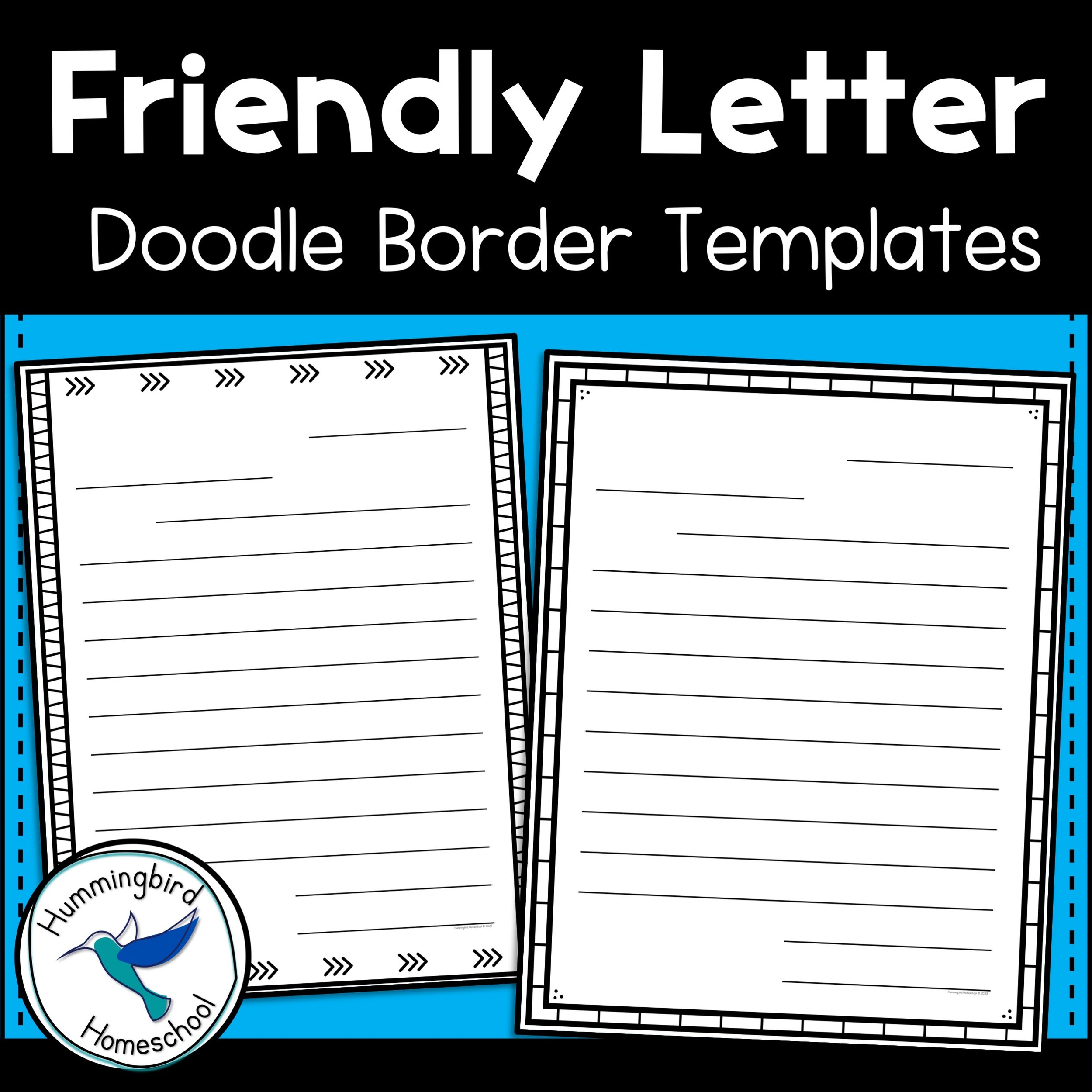
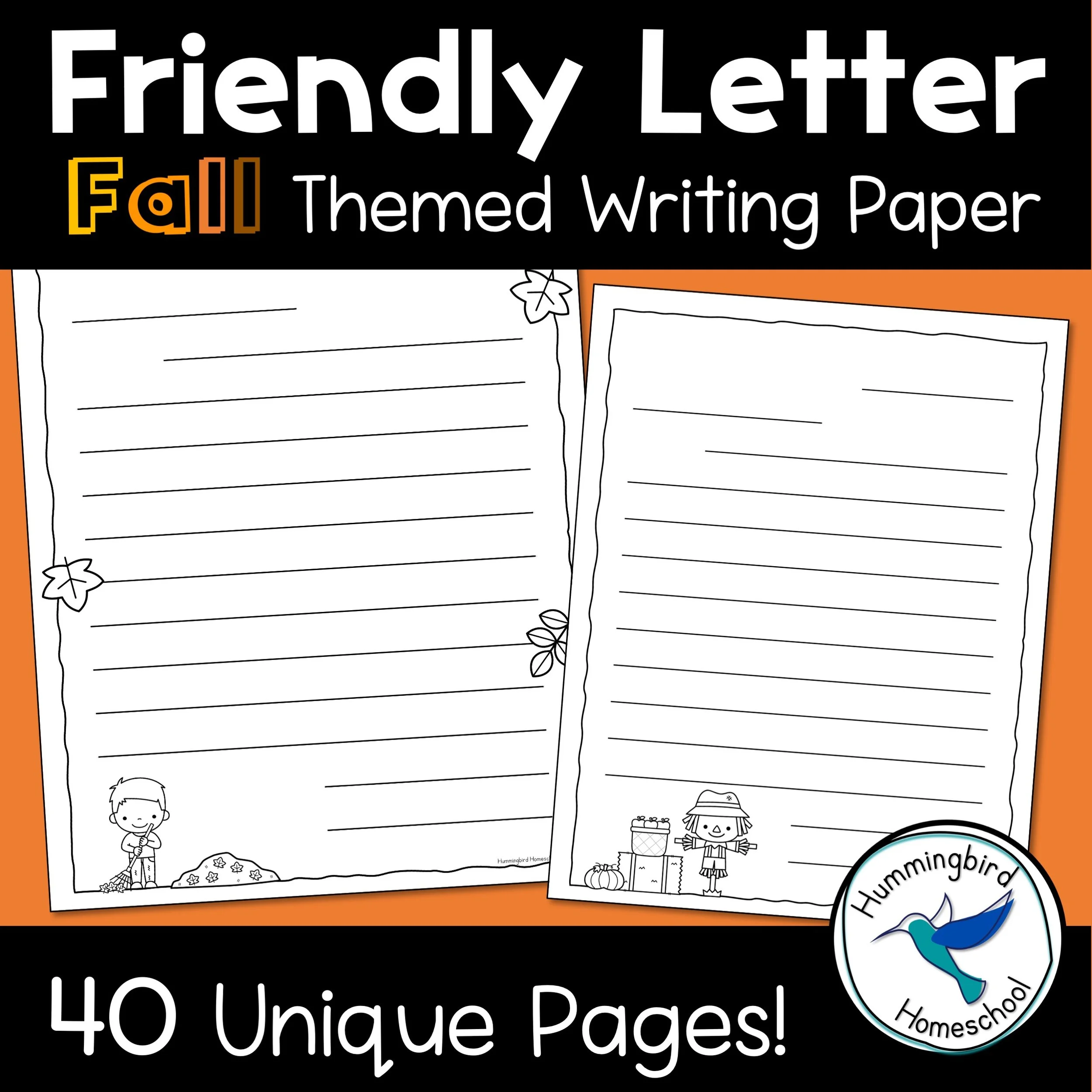
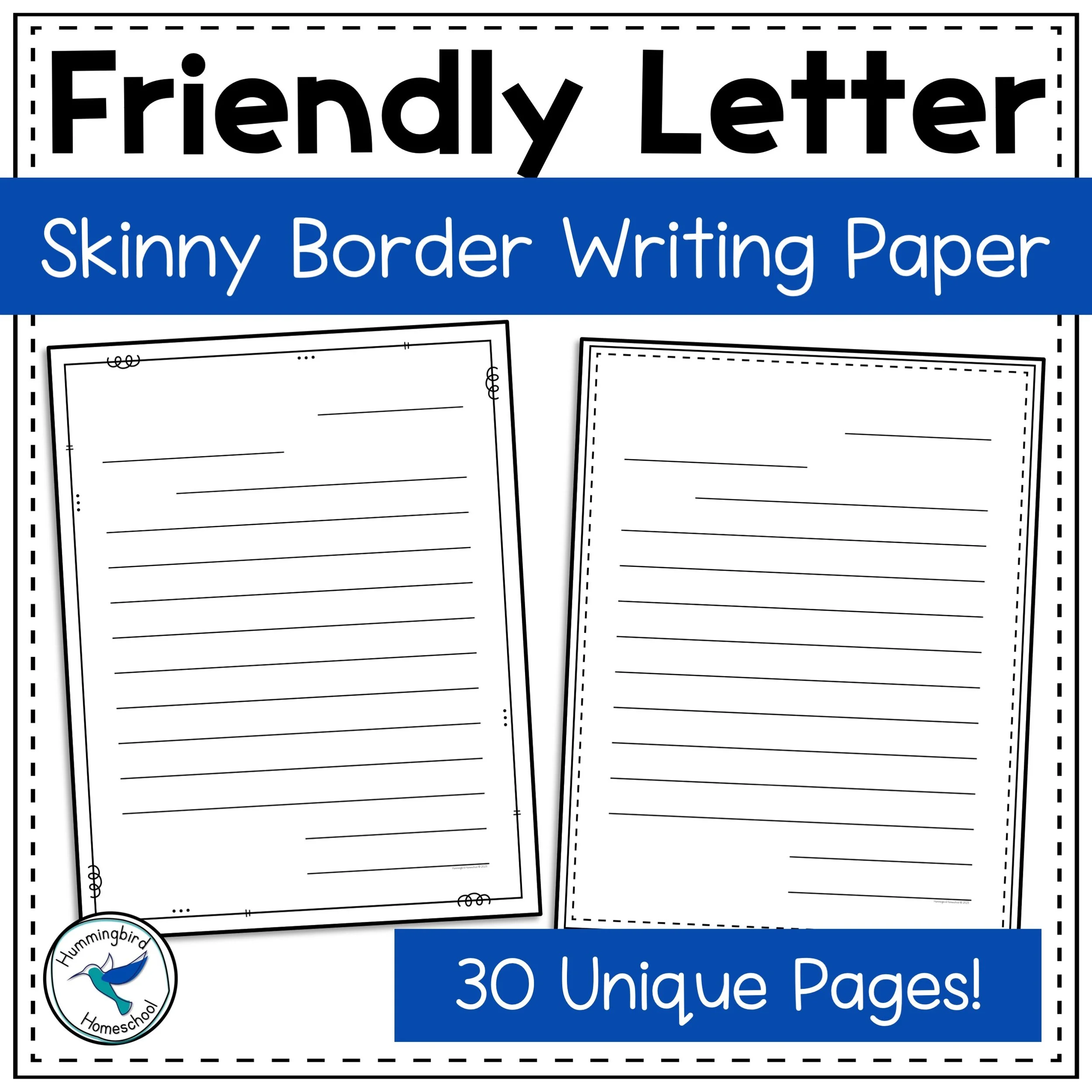
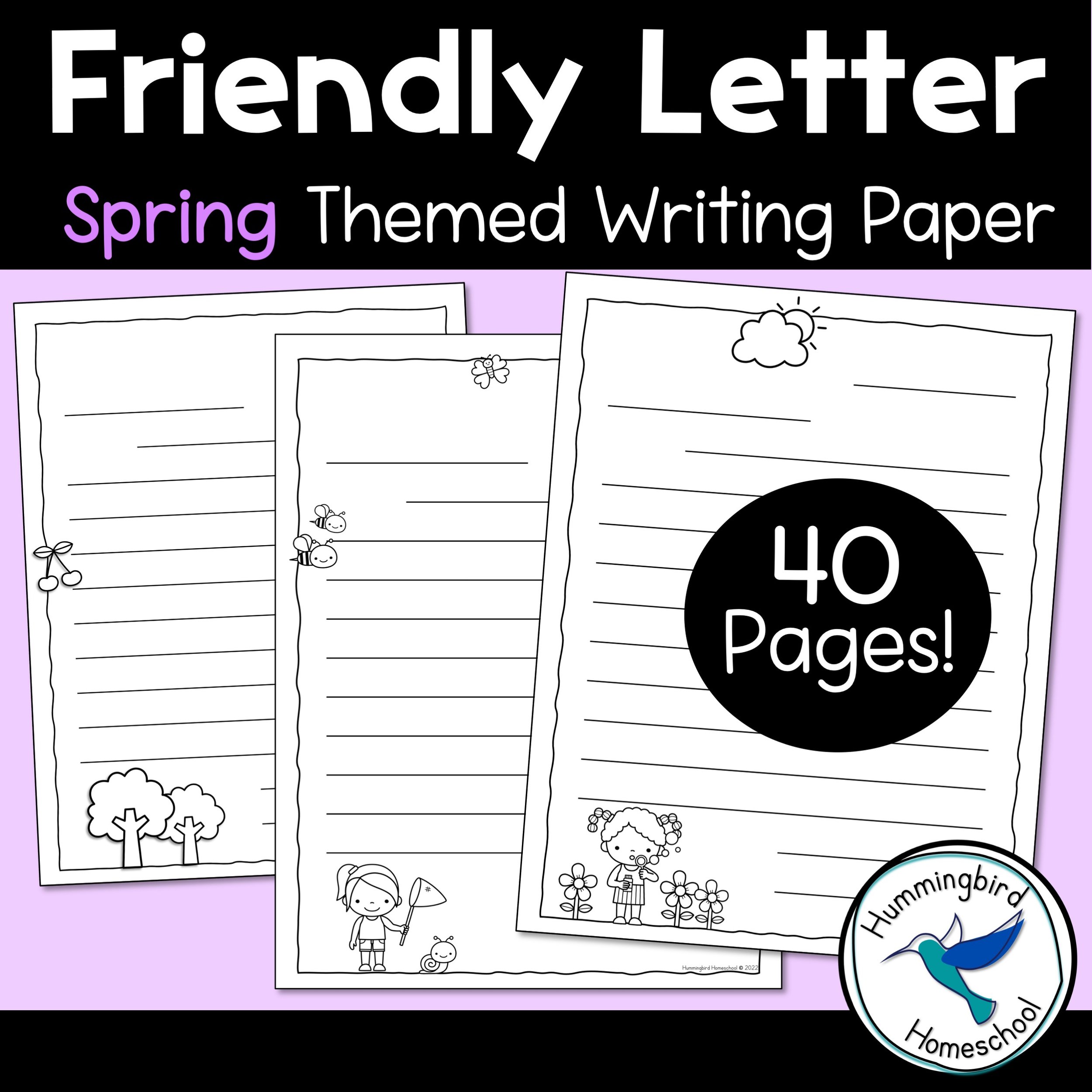
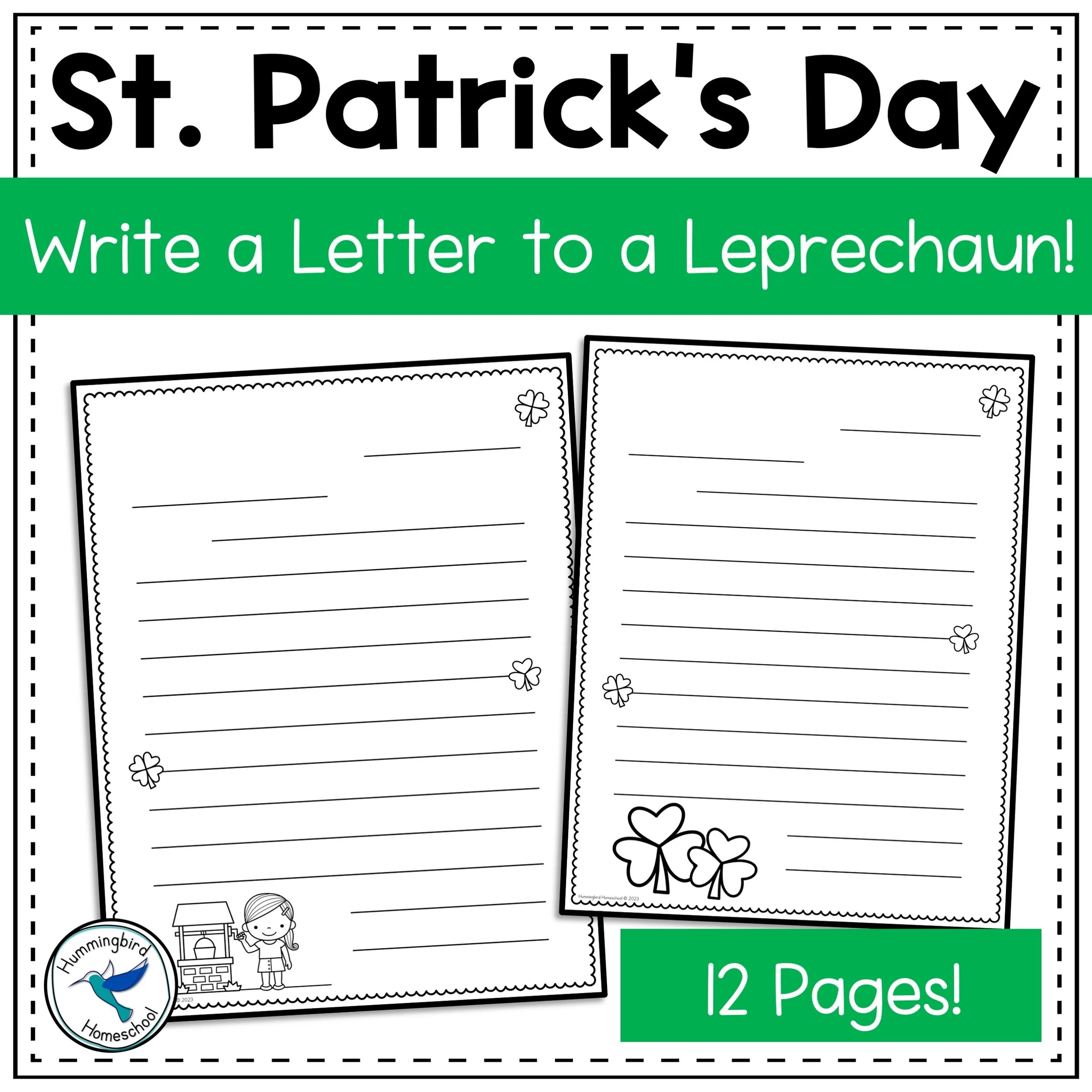
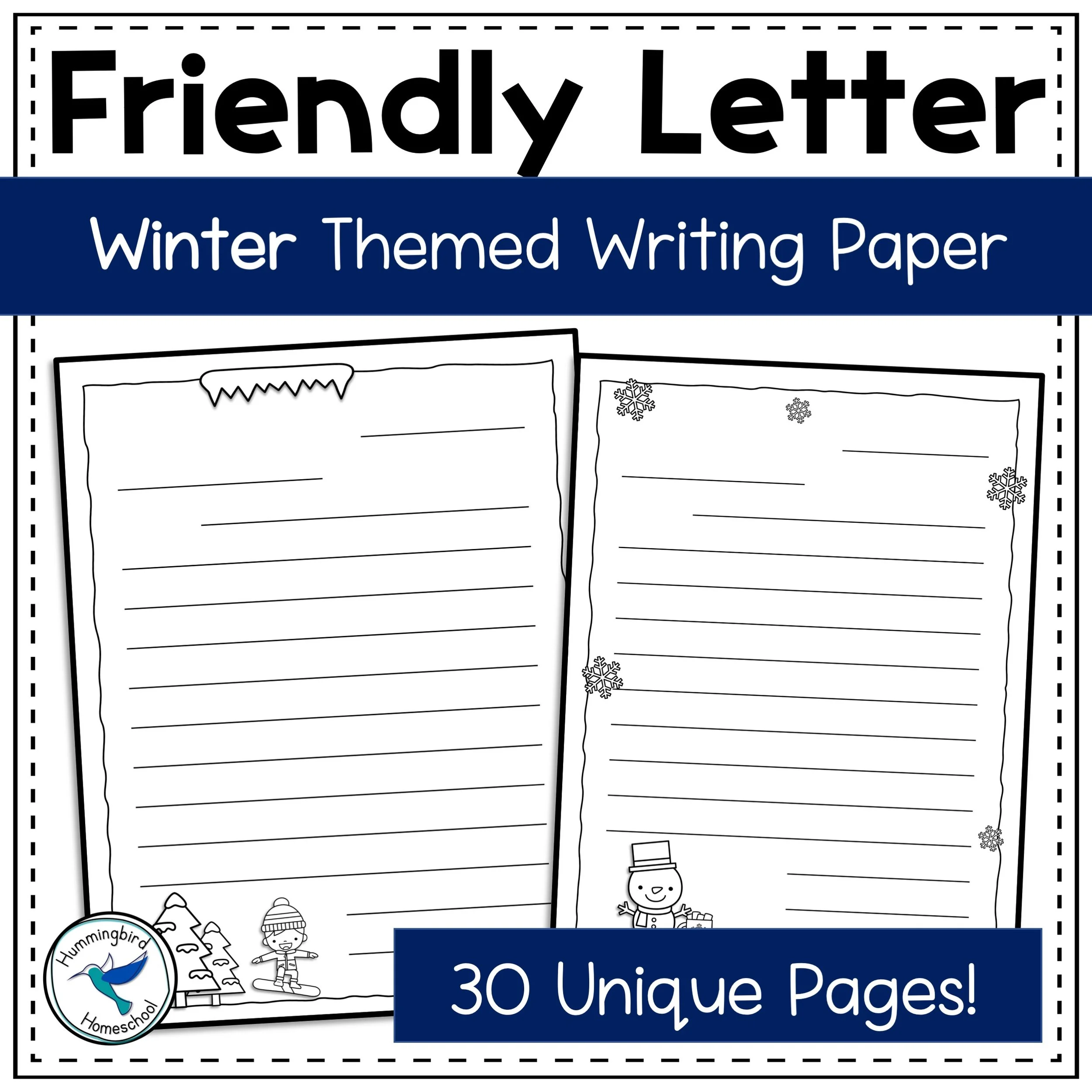
Find related resources, Friendly Letter Writing Template Paper in the shop!
In this age of text messages and emails, knowing how to write a letter may seem outdated. But teaching children how to write and communicate using a friendly letter format is still a valuable exercise.
It’s a great way to engage them in creative writing, grammar, and spelling. Plus, they can learn how to use the mail system and address envelopes.
In this guide, we’ll go over the friendly letter format with date, greeting, body, closing, and signature.
You’ll see that writing an old fashioned friendly letter can be a fun and meaningful project for kids and a way to connect with others.
1. Benefits of Writing Friendly Letters
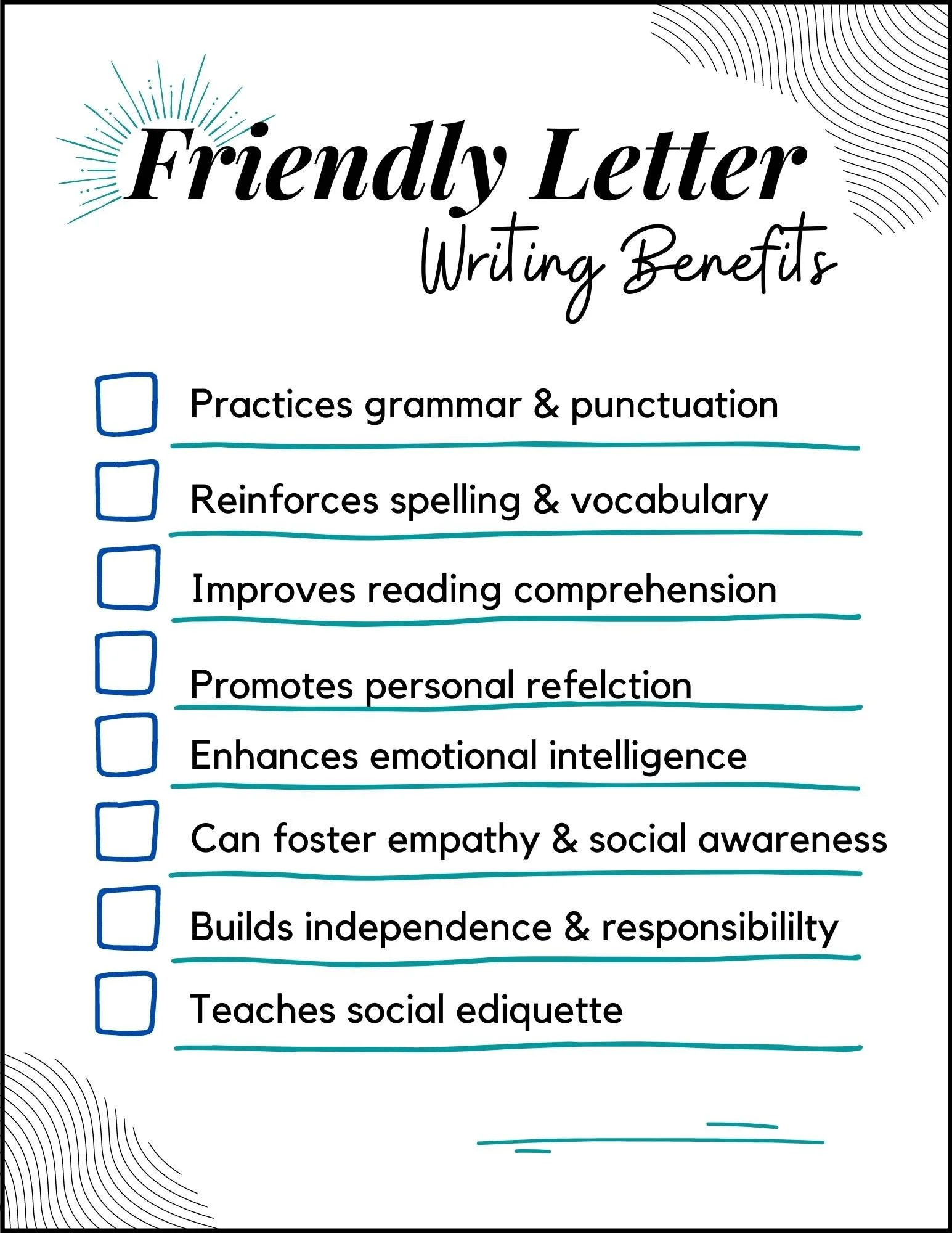
Writing friendly letters offers several benefits for kids' development.
First, it helps them with their writing skills, such as grammar, punctuation, spelling, and vocabulary. It also improves their reading comprehension, as they learn how to read and respond to other people's letters.
Second, it promotes reflection and emotional intelligence, as kids have to articulate their thoughts, feelings, and experiences in a clear and coherent manner.
Third, it fosters empathy and social awareness as they learn to listen, understand, and connect with others through their words.
Finally, it builds independence and responsibility, as they have to prepare and send their own letters, follow the etiquette of letter writing, and wait for a response.
2. The Format of a Friendly Letter

Before we start, let’s make sure we understand the parts of a friendly letter.
A friendly letter has five main parts:
heading,
greeting,
body,
closing,
signature.
Heading
The heading is where the date goes on the paper, on the top line on the right side of the paper.
Greeting
The greeting goes in the top left corner after a skipped line below the heading. This is the salutation to the recipient of the letter. Most people begin this part of the letter with "Dear ________" and then a comma.
Body
The body of a friendly letter is the main content of the letter. It is typically written in paragraph form and provides information about the sender's message, thoughts, and feelings.
Closing
The closing of a friendly letter is the final section. It usually starts with "Sincerely," followed by a comma.
Based on the relationship between the reader and writer, plus the letter's tone, other options for a complimentary close include:
Sincerely,
Yours truly,
Best wishes,
Love,
Signature
The signature is the sender's full name written below the closing. This marks that the letter is from the person writing it.
Post Script
If you finish writing a letter and have forgotten to write something in the body, you can include a P.S. (post script) at the very bottom of the page.
Including a P.S. is generally a quick note to mention something to the reader rather than an entire paragraph.
3. How to Teach Writing Friendly Letters
Now that we know the format of a friendly letter, how can we teach kids to write them?
Send Your Child a Letter
A fun way to start learning about friendly letters might be sending a letter to your child through the mail! It'll be a fun surprise to receive and a great start to a writing lesson.
Provide Visuals
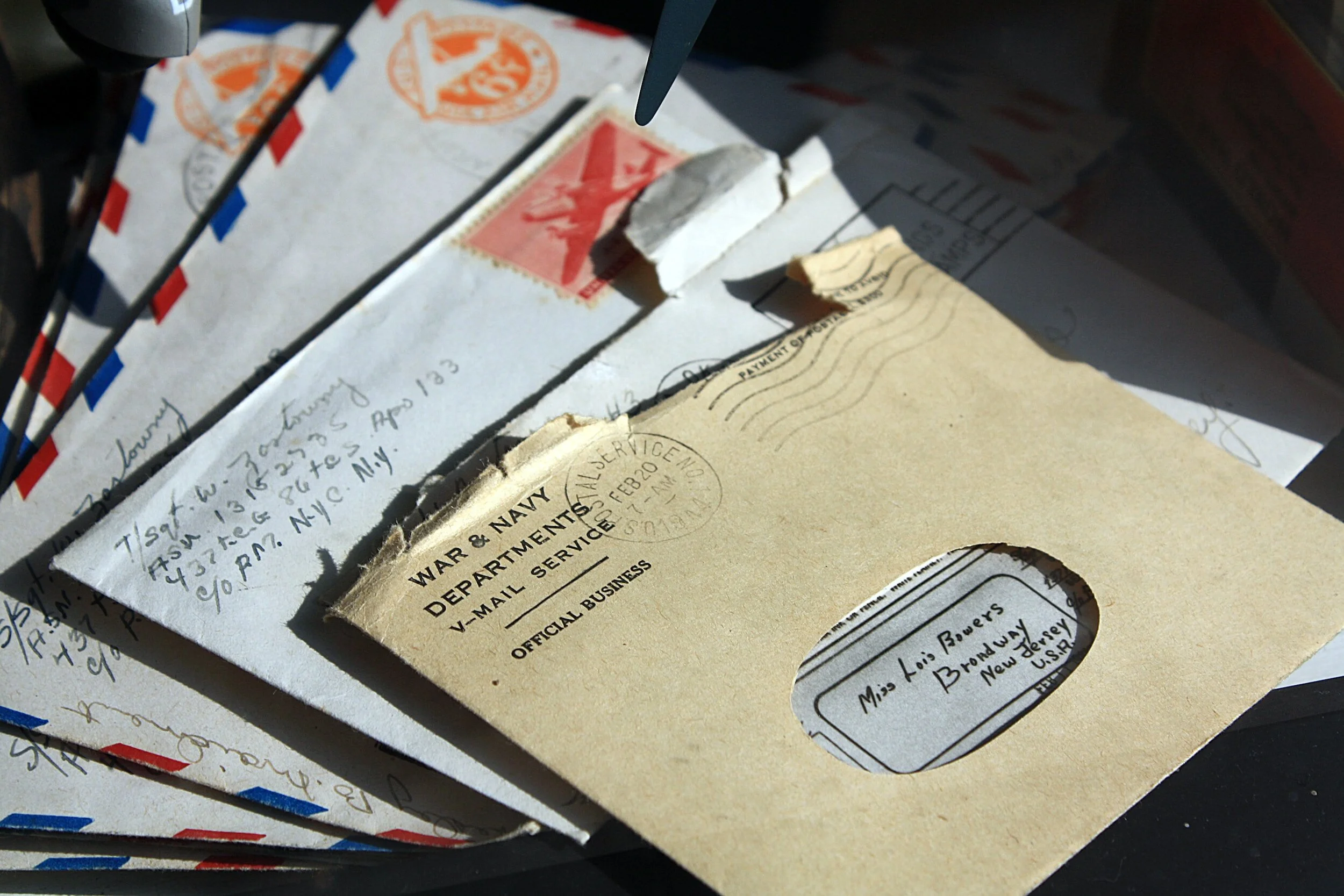
Show your kids what a friendly letter looks like - sometimes, you can find these in the mail with junk mail. Companies love to send out letters trying to solicit your business - gotta love that "real" signature at the end! Very convincing.
Use Friendly Letter Templates for Scaffolding
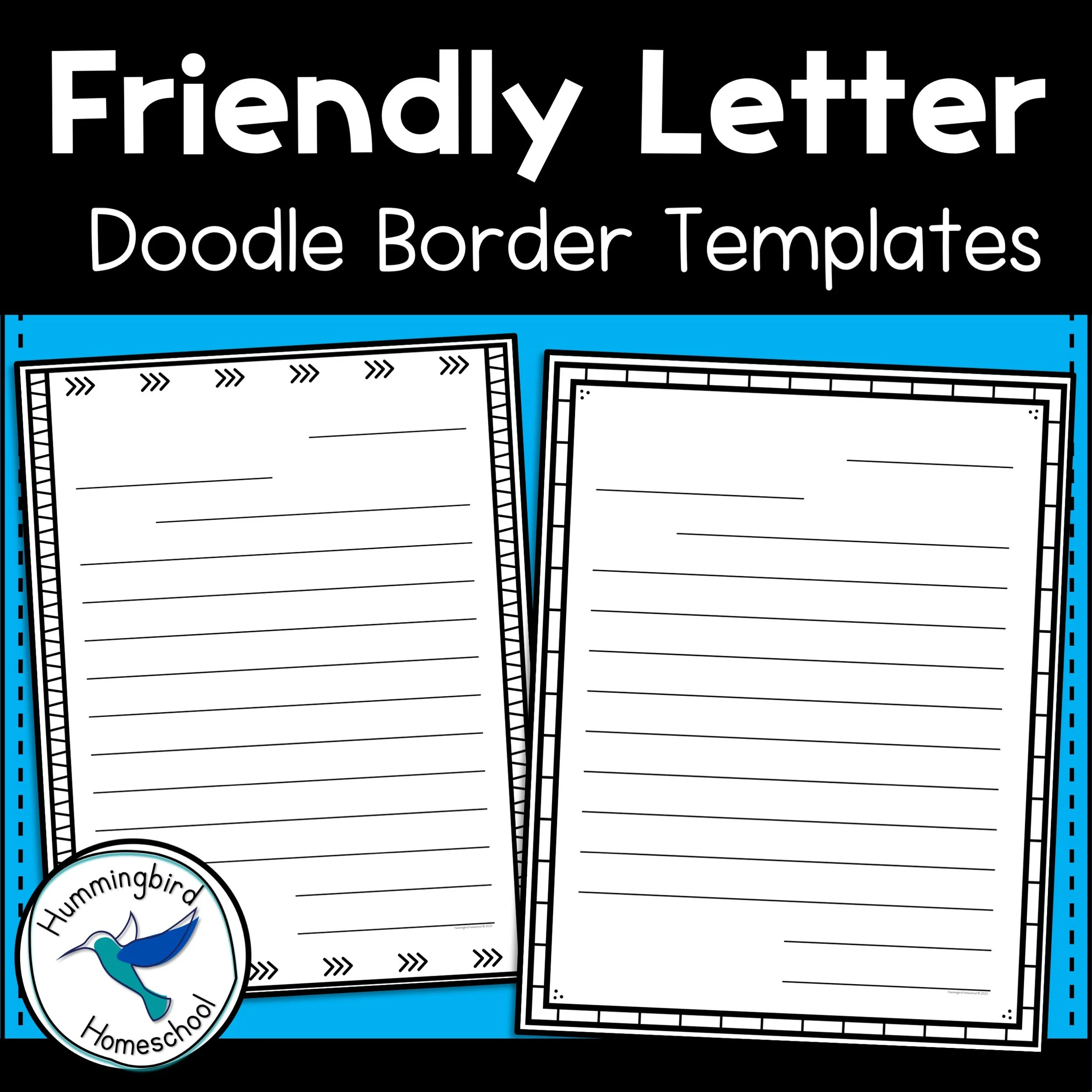
Find these fun, friendly letter templates and more in my shop!
People need scaffolding when learning a new skill, and writing a letter is no different
When teaching the five parts of a friendly letter, keep a sample friendly letter template showing the parts and their location on hand for reference.
We always have a template handy for visual reference when writing a letter. My kids are little and they forget! The template helps ensure their success with formatting.
If they aren't worried about what goes where they can focus their thoughts on what to write instead.
Start Small
The formatting of letters can make them look long, which can seem quite intimidating!
When first learning, I only ask my youngest writers to give me 4 very specific sentences in the body. I scaffold it for them but with room for their own thoughts.
State the purpose
Give details
Ask a question
Bring closure and invite a response
First, we start with a simple sentence stating the purpose of our correspondence.
I wanted to write you a friendly letter to say hello.
Next, I ask them to give details relevant to their message.
I had a lot of fun swimming at the pool with you last summer.
Then, they ask a question to get the recipient to engage with the letter.
Would you like to come over, have a squirt-gun fight, and eat popsicles when it gets hot again?
Lastly, a final sentence to bring closure and invite a response.
I can't wait to hear back from you!
Slowly Expand for Length
Once your child has a grasp on keeping those 4 sentences cohesive, they can begin to expand on their thoughts
The easiest place to expand is on the details. Be careful of rambling! If they begin to expand too fast, I guarantee they will get derailed by their thoughts and not know how to get back on topic.
It is far easier to start slowly than have to pull the child back.
When you have to course-correct your child's thoughts, they go from feeling successful to second-guessing themselves. This is a recipe for a hesitant, possibly reluctant writer.
Early writers benefit greatly from training wheels (scaffolding).
Friendly Letter Lesson Plans for Homeschoolers
Friendly Letter Prompts
If you can't think of who your child should write to, you can provide writing prompts, such as:
Write a letter to a family member.
Write a letter to your best friend.
Write a letter to your favorite superhero.
Assign pen pals to your kids through a program or your network of friends and family.
Pen Pals - Picking a Relative or Friend
My kids love sending stuff through the mail; even better if they get something in return!
Those letters to Grandma or Grandpa are usually a slam dunk for return mail (ask them to write back!).
Kids also benefit from writing to a friend. They'll have a mutual interest to write about and get a general feel of the skill level of other kids their age.
Sometimes seeing the work of a friend is the best way to learn! They will inherently compare their efforts, copy what they like, or see where they can do something better.
Writing to Strangers
Kids can learn about different cultures, lifestyles, and life perspectives by exchanging letters with someone they've never met.
They can also practice social skills such as empathy, respect, and gratitude.
It's also a whole lesson in itself for learning how to find an unknown city or street address and whom to address the letter to.
4. Fun Activities for Friendly Letter Writing
To make letter writing more engaging and fun, you can use a variety of activities and resources.
Jazz Up Your Friendly Letter
For example, you can provide colorful stationery, stickers, and stamps for your kids to decorate and sign their letters.
Send Surprises With Your Letter
You can also use the mailbox as a way of surprising others with responses or a small gift.
My daughter absolutely loves when her cousin sends her a letter with a sticker! So simple but so engaging. We have sent simple colored pictures and small books in the mail before; they're always well received.
Send Letters to Exciting People and Places
You can invite them to write to their favorite companies, celebrities, or fictional characters and see if they can get a response.
In 3rd grade, I wrote a friendly letter to the White House and got a letter back from the First Cat! I remember thinking that was amazing!
My niece wrote a letter to In-N-Out advocating for people with celiac and asking for gluten-free buns. She was sharing good information with the company so that they could better understand their customers' experiences affected by gluten allergies.
You can also create a playful persona, such as the Tooth Fairy or Santa Claus, and exchange letters with your kids throughout the year.
Be sure to mail these out from somewhere other than your own house!
If you choose any activity, please make sure it fits your kids' interests and level of development.
My son gave up writing a letter to Santa last year. I respect that, so we wrote to Grandpa instead.
Conclusion:
Teaching children how to write a friendly letter is a wonderful way to incorporate writing skills into their homeschooling lessons.
It encourages creativity, improves writing skills, and develops social awareness by having to consider the other recipient's life experience.
Plus, it adds a touch of personalization to their communication skills by uniquely conveying their thoughts and feelings.
So, pick up a pen and give your kids a fun new writing project! With your guidance and encouragement, they will enjoy creating their own beautifully written letters.
Related Products to Check Out